
Guest Blog: Tools to Make Your Shower Safer

Have you heard? A new government study has revealed that falls among adults over 65 rose over 30% in the past 10 years! While a fall every now and then may feel like no big deal, it is important for seniors to recognize that even seemingly harmless falls can lead to dangerous complications like hip fractures and head trauma.
If you or the person you care for hasn’t fall-proofed one of the most dangerous spots in the home, the shower, yet, don’t miss this essential list of helpful safety tools:
Toiletry Dispenser
Are you still struggling with slippery bars of soap and hard-to-grip shampoo and conditioner bottles in the shower? Get an easy-to-install toiletry dispenser instead which can stay fixed to the wall under your shower head and dole out toiletries in your hand as needed with the push of a button.
Grab Bars
Experts recommend installing grab bars both inside and outside the shower on walls that are easy to reach and can fully support your weight when you brace against them. Similar products like bathtub bars which sit fixed on the side of a bathtub and provide a raised support to hold and steady yourself are great too for notoriously hard-to-navigate tub showers.
Non-slip Shower Mat
Not all shower mats are created equal, and for seniors taking fall prevention measures in the shower, finding one that stays in place and offers a textured non-slip surface to stand on is critical. Additional features like being antimicrobial and machine-washable also prevent the buildup of contaminants and mildew which are common to humid areas like the shower.
Shower Chair
Even if you have no mobility issues at all, a shower chair may be a good investment if your space allows for it. Shower chairs make it easy to sit and rest in the shower if you suddenly feel weak or unbalanced. And specialty transfer chairs help caregivers easily get a loved one in and out of the shower without over-exerting themselves or putting their loved one’s safety at risk.
Handheld Shower Head
Quit trying to twist, turn, and contort your body when bathing yourself. A removable, handheld shower head is a must for easy, thorough washing that won’t leave you with a muscle strain in your back. Experts recommend getting one with at least 5 feet of maneuverable cord to allow for enough slack to raise and move it around your body with ease.
Outside of the shower, additional upgrades that can improve your safety and bathroom experience include automatic lights that provide consistent, bright lighting without having to flip a switch, non-slip bathroom mats, and raised toilet seats with handles.
Guest Blog: 5 Ways to Help Improve Your Memory

Do you often misplace your car keys? Or have trouble remembering your personal trainer’s name at your favorite gym? You are not alone. Everybody goes through moments of forgetfulness, and the occasional memory lapses every once in a while. Though it’s common to forget things when too busy or preoccupied, a recurring memory loss should not be taken lightly.
Age, genetics, and underlying mental disorders are common factors that lead to memory loss. In some instances, memory loss is manageable through diet and lifestyle changes. Read on to discover five research-backed ways to sharpen your memory naturally.
1. Get adequate sleep
Poor sleeping habits are a major cause of memory loss among the young and the elderly. Sleep enhances memory consolidation, the process where short-term memories transition into long-term memories. Sleep deprivation and irregular sleeping cycles can perpetrate cognitive impairments, negatively affecting your brain’s ability to synthesize and retain information.
Doctors and wellness specialists recommend at least seven to nine hours of interrupted sleep for an adult. Research studies show that individuals are likely to perform better in information recall tests when they’re well-rested compared to when they have sleep deprivation.
2. Reduce sugar intake and high-calorie diets
A high sugar intake is often associated with many health complications ranging from chronic illness to cognitive impairment. A 2017 study shows the linkage between high sugar diets and the development of Alzheimer’s disease. Researchers noted that a high intake of sweet beverages like processed fruit juices and soda reduces the total brain volume, especially in the regions responsible for short-term memory retention.
Reduced brain volume is often an early symptom of Alzheimer’s disease. Reducing your sugar intake will boost your memory retention and overall health condition. Whenever you develop a sugar craving, try consuming naturally sweet foods such as fruits while limiting the intake of processed foods with artificial sweeteners.
Along with cutting back your sugar intake, lowering your overall calorie intake can do wonders for your memory recall. Regular consumption of cakes, bread, cookies, and other diets rich in refined carbohydrates raises the risk of cognitive decline, reduced memory retention, and even dementia. High-calorie diets lead to gradual cognitive decline because they cause inflammation of certain brain parts.
3. Practice meditation and mindfulness
Mindfulness refers to tuning your mental state to focus on present situations and boost awareness of your feelings and surroundings. Mindfulness is a technique common in meditation, and it helps improve memory. Studies show that mindfulness and meditation enhance cognitive function by lowering the triggers for brain degeneration.
Researchers believe that practicing mindfulness can improve long-term and short-term information recall. In one study, researchers conducted a psychological survey of 293 patients where one group underwent mindfulness sessions while another group did not. Those who took part in the mindfulness sessions showed better memory performance than those who skipped the mindfulness sessions.
Besides improving memory retention and psychological wellbeing, mindfulness also lowers the risk of age-induced cognitive impairment.
4. Practice brain training
In the same way, exercise improves physical health; your brain needs regular involvement to function optimally. Mental workouts play an essential role in brain development because they enhance your problem-solving and memory recall abilities. Chess, crosswords, word puzzles, and Tetris are examples of popular brain games you can use for your mental workouts.
Recent trials show that setting aside only 15 minutes for brain training five days a week can significantly boost mental acuity. What’s more, researchers believe that brain training workouts can lower the risk of dementia among the elderly. Brain exercises are a common practice in many Alzheimer’s care programs.
5. Reduce your alcohol intake
Excessive alcohol consumption poses many health risks and negatively affects memory retention. It’s no wonder people misplace their car or house keys after a night of heavy drinking. A high alcohol intake raises your blood alcohol composition to levels that alter brain function resulting in poor memory retention.
A college study showed that students who consume six or more drinks within a short time exhibited delayed memory recall than those who didn’t consume alcohol.
Conclusion
Eating a balanced diet, exercising regularly, and leading an overall active lifestyle is crucial in improving brain health and memory retention. Check out the site below for more tips on boosting memory recall.
How to Take Care of Yourself When You’re Caring for a Loved One
As a caregiver, you’re no stranger to physical and emotional exhaustion. But if you’re like many other caregivers, you may have come to accept that living in a relentlessly drained state is just part of your role. But what if it wasn’t? What if there were realistic ways to foster your own health and well-being and recharge each day?
Fortunately, there are! And practicing self-care not only helps you, but it will also allow you to provide your loved one with better care. Consider these practical self-care tips from Senior Care Central to help you start your new life:
Delegate Household Tasks
When you are a caregiver, your home should be a peaceful retreat to which you can go after a long day. That applies whether you live with your loved one or not. The problem is, if you are busy, trying to fit in all of your household tasks to keep your home well-maintained can stress you out. Rather than let that happen, think about services that you can hire out to others.
Socialize on the Regular
Caregiving can be extremely isolating. And you might feel like you don’t have time to spend with other important people in your life. However, as a social being, it is critical to interact and maintain relationships with close friends and relatives. Try to carve out time in your schedule for others, and it will improve your overall quality of life.
One option is planning fun outings either for just you, or for you and your loved one. These could include a trip to the park or a museum, or perhaps a baseball game where you can sit and relax in the fresh air. For instance, you can browse ticket prices for the Dodgers well in advance, and you don’t have to worry about hidden fees getting between you and that stadium hot dog.
Focus Your Nutrition
This is probably no surprise to you, but it’s worth repeating, your diet matters a great deal. Try eating clean foods for a month and see if you don’t notice big changes in how you feel. You can start simply by basing your diet around lean protein, fruits, vegetables, and whole grains.
Exercise Every Day
One of the most effective ways to reduce stress in your life is to work out on a regular basis. There are countless physical activities that can help you break a sweat and get those endorphins flowing! Don’t be afraid to try everything from running to cycling, from weightlifting to yoga. And try to exercise outdoors whenever possible to get the added benefits of sunshine.
Do Breathing Exercises
There are many different types of breathing exercises that can benefit your mental health. But one of the easiest ones to start with is breath awareness.
Sit in a comfortable position on a cushion or chair, close your eyes, and focus on your breath. You will probably have distracting thoughts, but keep focusing on your breath and they will pass. Then, take a slow breath through your nose for five seconds, hold your breath for five seconds, and exhale for five seconds. Do this repeatedly for ten minutes, and you will notice a deep relaxation come over your mind, body, and soul.
Sleep and Relax
When you’re stressed out, it can be really difficult to sleep. But there is no way you can be an effective caregiver and maintain your quality of life long-term if you live in a sleep-deprived state.
Be conscious of the caffeine you consume and the food you eat after lunch and find relaxing activities you can do before bed that will help you unwind. Pick up a print book, take a long bath, or do some light yoga stretches. And make sure your bedroom is dark, quiet, and cool.
If you want to be the best caregiver you can be without sacrificing your mental health in the process, it’s essential to practice self-care. The ideas above can get you off to a great start, but keep looking for other ways you can foster your health and wellness as you carry out one of the hardest jobs in the world. In no time, you’ll find yourself feeling better, becoming more patient, and getting more out of your everyday life!
Guest Post: How to Reduce Loneliness for the Elderly in Your Life
Reaching the golden age does not always come only with a great life experience but also with reasons to make you feel lonelier than ever. Years have passed by and many of those people you encountered and loved so much may have passed away over time. This is something that remains in your heart forever.
Feeling lonely is not something to be ashamed of but also not something to control your life. Discover below the best ways in which to reduce loneliness for the elderly in your life. They deserve to live happy during this new stage in their existence. Help them rediscover the joy of living!

Develop a Strategy to Defeat Seclusion
If you have elder people you love, you must engage more in their life. It is unavoidable for them to feel lonely from time to time. This is why they need your love and support more than ever. Make them feel loved and an important part of your life. Offer them reasons to smile and continue every day. Do not forget about them or ever leave them feeling like no one has time for them anymore.
Allow Them to Feel Useful
Feeling like there is nothing left for you to do in life is the worst possible feeling. Older people should be treasured because they have a life experience to share. Learn to listen to them more often, spend more time with them and allow these amazing people to teach you what they know. Engage with them in activities that are suitable for their age and help them keep themselves active. Never leave them alone for too much time and always advise them on how to stay clear of sadness and depression.
New Bridge for the Generation Gap
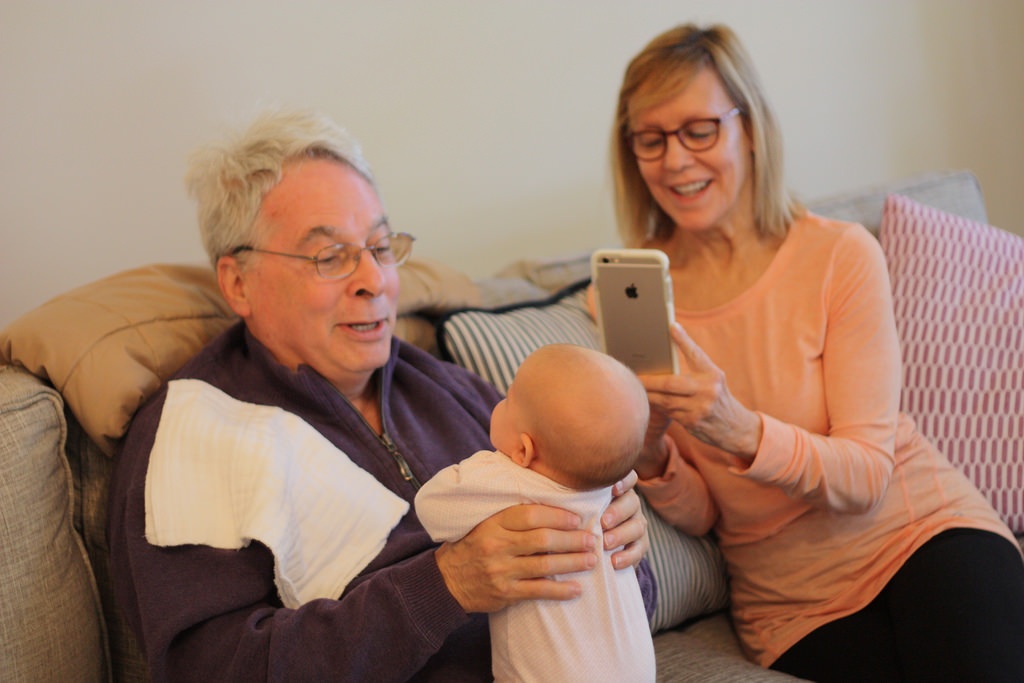
The generation gap between young people and older ones is obvious. However, there should always be a bridge built with love, compassion, and respect or understanding to help keep these two generations together. Teach your children to appreciate the elderly. If they have grandparents, guide them towards building close relationships with them. Spending time together and sharing experiences will be a great way in which to reduce loneliness for the elderly in your life. It will also be a great life lesson for your children.

To ensure a better life experience for them at this stage you can also consider professional help in care homes in Maidstone. The main stages of life are the same for all of us. We may go through them differently and face varied challenges, but we all get to the same place sooner or later. Let’s treasure the amount of experience and life stories these amazing people have to share. We will learn more from them than from any other experience in our life.