
Dr. Mauk’s Boomer Blog
Each week, Dr. Kristen Mauk shares thoughts relevant to Baby Boomers that are aimed to educate and amuse.
Dr. Kristen L. Mauk, PhD, DNP, RN, CRRN, GCNS-BC, GNP-BC, FAAN
How My Love for My Family Keeps Me Sober: Brandon’s Story

Family often plays a significant role in a recovering addict’s journey to sobriety. For Brandon, kin was not only what encouraged him to seek treatment, it’s ultimately what keeps him on the right track now that he’s clean.
Brandon experimented with painkillers after college and convinced himself he’d be fine, but it quickly took over his life.
“I had a second job: Getting high,” he said. “I’d wake up every morning worried about being sick or not being able to get anything.”
With time, his addiction made him unrecognizable in both appearance and personality.
“I wasn’t the funny, nice, sweet guy I had been,” he said. “By the third year of using, people started piecing it together — I had lost 50 pounds. I had always been athletic, in the gym every day … but I wasn’t focused on working out anymore. I would lie and tell people I was trying to lose weight.”
He had the most trouble hiding the truth from his family, and even his grandfather became suspicious.
“My grandpa kept bringing up stories about people he knew whose kids or grandkids were on heroin. Finally, one day, he flat-out asked me if I had a problem with drugs — and if I did, to let him know and he would help me,” Brandon recalled, noting that the conversation only temporarily slowed his habit.
Finally, his family could no longer remain silent. His parents confronted him, saying they knew there was more going on than he was admitting, and that they believed he needed professional help.
“I didn’t know what to say. I was ashamed, embarrassed and disappointed,” he admitted.
It took a few days to sink in, but finally Brandon agreed to enter addiction treatment. He said going to the Treehouse in Texas ended up being one of the best decisions he ever made. He rediscovered his passion for life and committed to getting sober not only for himself, but for the family he loves so dearly.
“I’m so tired of disappointing them,” he said.
He’ll have to work at it every day, but Brandon noted that his efforts have already proven well worth it:
“I’m not drained, my personality is back — the old me is back, and people love me. I don’t want to go back.”
Is the healthcare system endangering the elderly?
Studies have shown that there will be 72 million Americans with ages between 60 and 65 by 2030. Sadly, the reports show that there won’t be enough doctors to look after these people. The nation is rapidly aging, and the future holds healthcare costs that many won’t be able to afford. Some claim that the healthcare system in charge of taking care of our seniors, puts them in danger. Is that true?
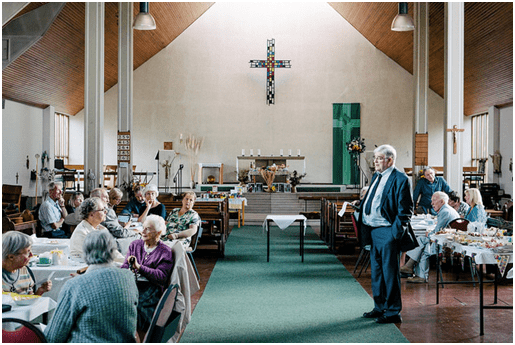
Over 50% of medical procedures are useless, and may even do more harm than good
There’s a lot of data out there claiming that most common medical treatment don’t help patients at all. In fact, they might be harming them. Between 40 and 78% of all medical tests, procedures and treatments don’t provide any benefits. One of the main reasons older people get sick is because the media induces that they need some sort of care or therapy. In many circumstances, the patient loses faith in the medical system and in their physician because nobody offers them any clear solution. Random clinical trials cost billions of dollars, and new clinical practices don’t accept people without a health insurance (which often must be premium).
There are attempts to fight the system and provide better care to our loved ones. But then again, it’s difficult to have a voice in a world that claims to hold the cure for everything. Many therapies continue to get funds even after they’ve been deemed as harmful or useless. That’s concerning, and makes people question the US medical system. Physicians must start to focus more on the efficiency levels of common medicinal practices, and commit to clinical research that has proven to render positive results.

No primary care provider for older adults
The main reason older adults in the US are unhealthy is due to poorly managed health care. There’s an average 0.5 general physicians for 1,000 citizens. Also, many people argue that they don’t go for annual checkups, either because they can’t afford it, or because they’re afraid that they’ll be asked to do more tests that cost a fortune. Why do seniors feel helpless? Basically, because the system is putting them in danger as opposed to helping them get better. Not everyone can afford private health insurance, not to mention that lots of people become victims of medical errors.
In a world of advanced technology, the population is still prone to medical errors
We live in a world of advanced technology that should help its population get better. The medical system has advanced as well, and yet somehow medical errors still occur. In the US, the main cause of death is due to some sort of medical error. It’s higher than any type of cancer or heart condition. Main types of errors consist of hospital acquired infections, inappropriate medical treatments, side-effects of drugs, and more. Preventable medical mistakes happen in 1 out of 4 hospitals in the country, and over 800,000 people die annually due to this fact. That’s concerning and it shouldn’t surprise anyone that, indeed, the healthcare system does more harm than good.

Physicians don’t pay attention to their patients
Many physicians wrongfully assume that they know what type of treatment their patients must get. They don’t want to listen to their pains, nor do they want to hear what they have to say. What’s even worse is that 70% of all Americans are used to “not being properly treated”. However, they’re 5% more satisfied than people in the UK. At a global scale, people are not happy with the way their personal physicians answer their queries. Complex explanations take time; time that doctors don’t have. Would it be best for seniors to consider care homes in London, or in any other country that they belong to? Or should they stay home and get a caregiver? The answer is vast and requires a very detailed explanation that older person may not able to fully grasp. Their younger children might.
It is important to look after our aging parents; provide them with the care and assistance required to live a healthy and relaxed life. But then again, we need help from our healthcare system as we can’t do it all on our own.
Guest Blog: Four Surprising Ways Caregiver Neglect Causes Harm
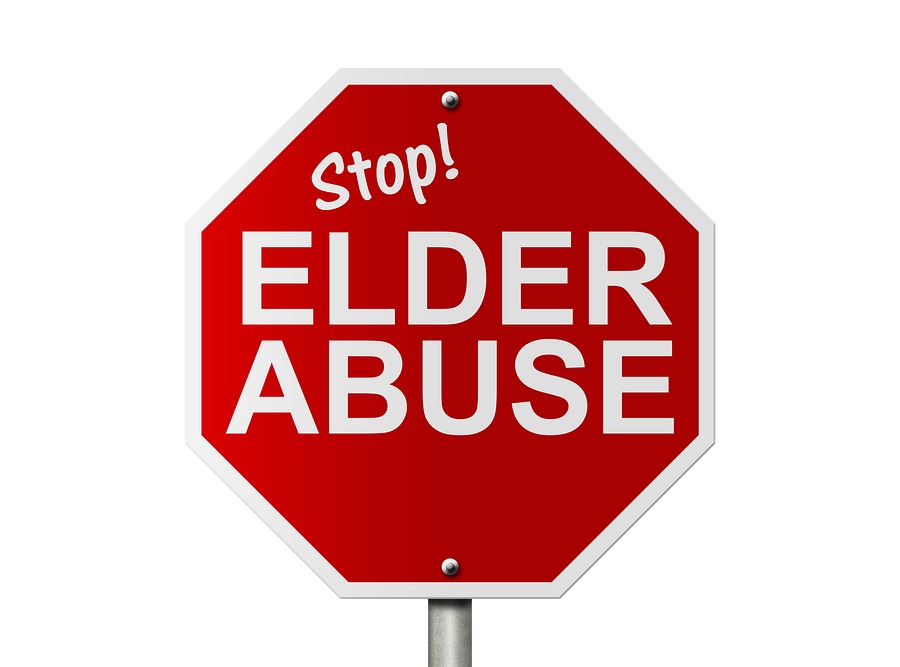
Caregiver neglect is a form of abuse that may not be intentional, but still can have long-lasting effects on a person. Like abuse, neglect can cause a plethora of physical problems, especially if the person is not receiving necessary medical attention. Neglect also can create emotional and psychological issues, changing the way they view themselves and others around them. Some of the more surprising ways caregiver neglect could cause harm include:
- Self Neglect or Harm
When a caregiver fails to care for a person properly, persons who need assistance may begin neglecting themselves. TheNationalAdultProtectiveServicesAssociation defines self-neglect as “an adult’s inability, due to physical or mental impairment or diminished capacity, to perform essential self-care….” If no one is assisting in daily tasks, this could mean living in unclean quarters, compulsive hoarding, poor personal hygiene or wearing unsanitary clothing.
Self-neglect also could include not caring for themselves physically, like refusing to take medications or poorly managing prescriptions. Some cases of self-neglect include failing to eat or eating poorly where they do not receive the proper nutrition. Signs of this type of self-neglect could include lack of adequate food in the home, dehydration or malnutrition.
2. Lack of Trust for Others and Emotional Stress
Neglect from a caregiver, especially a family member, can lead to severe distrust, anxiety and isolation. The elderly person could become disconnected from others. If an elderly person who already suffers from mental health issues is neglected, the lack of trust and other psychological damage could be much worse.
The emotional and psychological abuse that can develop could cause an immediate impact on a person’s mental state, and it can develop into long-term physical and emotional problems. Victims of neglect have had significantly higher levels of psychological distress and lower perceived self-efficacy than older adults who have not been victimized, according to theNationalCenteronElderAbuse.
3. Financial Strain and Irresponsibility
If a caregiver is responsible for managing a person’s finances but neglects those duties, this could lead to months or even years of financial strain. For example, if the caregiver neglects to pay the person’s rent or mortgage in a timely manner, he or she could be without a home. If the utilities are not paid, the person could be forced to temporarily live without power. If the caregiver fails to pay for home care services or medication, it also could be damaging.
4. Wrongful or Accidental Death
Accidental or wrongful death can be caused by some of the most extreme types of neglect, as well as abandonment. If a person is unable to feed themselves, get the medical help they need or maintain a safe and clean home, it could have a tragic ending. Additionally, unexplained injuries and accidents can happen in nursing homes when patients are neglected or when people who live at home are neglected. If these injuries aren’t treated, they could lead to death. Neglect is also often a precursor to emotional and physical abuse.
About the Author
Sarah Blanchard is the marketing manager for Winburn Bequette and Odom Law Firm, two personal injury and nursinghomeabuselawfirms dedicated to representing victims of nursing home abuse in Arkansas. Connect with her on GooglePlus andYouTube.
Guest Blog: Career and elder care – how can both go hand-in-hand?
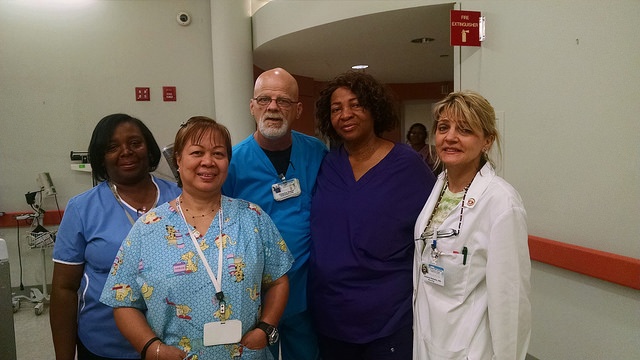
Caring for the elderly and making a career out of this requires some professional training. In order to become a caregiver, it is important that you develop a set of skills first. The healthcare setting can be an incredibly challenging work environment. Since you’ll be working in situations that require understanding, patience is a trait you’ll just have to master. A respectful, tactful, and gentle manner is fundamental.
Even though there are no specific educational requirements for becoming a general caregiver for the elderly, most employers want to hire candidates with at least a high-school degree. If you have an authorized healthcare certificate though, then your chances of getting a job in this domain are even better. There are specific requirements to become a licensed or certified nursing assistant or home health aide, but these vary by state.
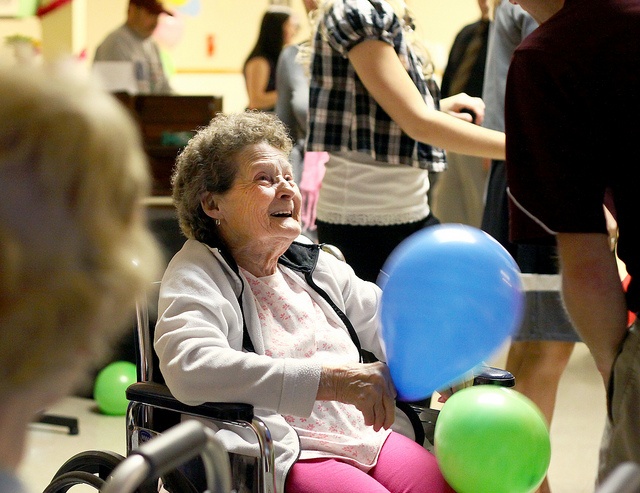
Elder care career description
Elder care employees have the job to provide top quality assistance, support services and personal care for people that need ongoing or short-term care. Those without a degree in a healthcare field often work under the supervision of a registered nurse or licensed practical nurse. The personal assistance of elder care employers usually includes help with daily chores such as dressing, bathing, and meals. Caregivers are responsible for preserving as well as gaining the confidence of their client, but also their client’s family members and relatives. Additionally known as health care aides, nursing attendants, and home support workers, these people make sure that your loved one’s independence is maintained for as long as possible.
Caring for elder parents
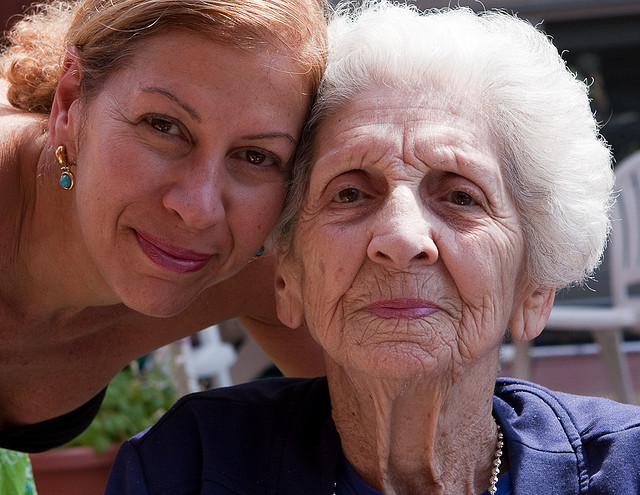
Sooner or later, we will all become caregivers. But then again, that’s a choice we have to make and not a demand. Some people don’t want to be (or can’t be) caregivers for their aging parents. Being a full-time caregiver for a relative, particularly if he or she suffers from a significant illness (Alzheimer’s, dementia, impairment, etc.), is time consuming. It is important to be prepared, both emotionally and financially.
In the past fifteen years, the average number of individuals choosing to be caregivers for their parents has increased tremendously. Roughly 10 million adults above the age of 50 care for their aging parents. Back in 1994, seniors didn’t have much help from their adult kids; only 9% or women and 3% of men chose this job. In 2008, the percentage grew to 28% in women and 17% in men. Some families help their parents to move to assisted living. If the care need is great, 24 hour per day residential living assistance is available at a variety of places.
Before quitting your daily job to become a caregiver, think carefully!
Most people can’t just quit your daily job to care for parents 24/7. This is a decision that needs a bit of time to materialize. First of all, you need to be aware that you’ll lose your steady income, which will damage your own retirement savings. Second, if you leave your current job, the odds of finding another after you are done with caregiving may be decreased. Would your skills be enough to prospective employers if you stopped working for 5-10 years?
The best thing that you can do in this case is to make caregiving a career. If you’re 100% certain that you want to look after your parent, then do it. But think about your own future too. Consider obtaining a nursing assistant certification, and your chances of finding work in the future are greatly enhanced.
Stay informed
Prior to making any major lifestyle decisions, make a plan. Check your finances and see whether or not caregiving is something you can afford to do and maybe still have a part-time job in the same domain. Make a detailed list with your parent’s financial income and then make a final decision.
There are plenty of websites that can offer assistance. The National Council on Aging features a benefits checklist service, while the National Association for Area Agencies on Aging can help you with extensive information on care giving tips and online support in your area. It is also good to get more information on Medicaid and Medicare. The more informed you are the better chances your aging parent has of living a happy, comfortable lifestyle.
Guest Blog: 5 Tips to Maintain a Nutritious Diet in Your Senior Years
Adults in their senior years should start eating healthier than usual to have an increased mental acuteness and become more resistant to illness and other diseases. As we get older it is important to stay balanced, nutritionally and emotionally. Believe it or not, eating healthy doesn’t need to be about sacrifice, and regardless of your age, you should know that healthy food can be delicious. Here are 5 amazing tips to help maintain a nutritious diet in your senior years.

1. Choose the right foods
In order to preserve their general health seniors should include a lot of fruits and vegetables into their daily diets. Whole foods contain vitamins and fiber, which are essential to a healthy digestive system. Berries, melons, bananas and apples are excellent choices. Also, you should include calcium-rich foods to have strong bones. Dairy products should be part of your daily diet.
2. Smoothies
A lot of seniors don’t feel thirsty, so they don’t drink water. Drinking water is important do avoid dehydration and constipation. If you don’t drink water, try a choice of delicious smoothies. Blend coconut water with a banana and some berries and serve for breakfast.

3. Cut back on red meats
Some people just can’t give up eating meat-based foods on a daily basis. As a senior, you should at least try plant-based protein. Apart from being less expensive than meat, they’re healthier too. Lentils, chia seeds, nuts and beans are excellent choices. They can be added to your daily salad, or included in cooked recipes.
4. Enjoy good fats but reduce sodium
Seniors should enjoy good fats because they’re excellent for their general wellbeing. Salmon, olive oil, coconut oil softgels, flaxseeds, walnuts and other fats that are monosaturated should be included into your daily diet. This way you protect your sensitive heart against harmful heart diseases.

5. Cook smart and avoid bad carbs
Vegetables should be sautéed or steamed versus fried. Instead of vegetable oil use olive oil, and thus preserve the good nutrients. Don’t boil food in order to preserve nutrients. Stay as far away as possible from bad carbs; these are commonly found in refined sugar, white flour, and white rice. These foods can cause weight gain and spikes in your blood sugar levels.