
Dr. Mauk’s Boomer Blog
Each week, Dr. Kristen Mauk shares thoughts relevant to Baby Boomers that are aimed to educate and amuse.
Dr. Kristen L. Mauk, PhD, DNP, RN, CRRN, GCNS-BC, GNP-BC, FAAN

Guest Blog: How Seniors Can Reduce Financial Stress

Anxiety and worrying about financial problems is a common issue that seniors often face. Obviously, finding a reliable stream of income after retirement is not easy.
Well, one way to reduce mental stress is to visit retirement locations. Another method to alleviate financial problems is to invest in gold bullions at a young age by getting them from Gold Bullion Australia.
Let’s discuss some other techniques to cope with financial stress and live with a mind free from any worries.
Think Positive
Positivity is the key to bringing a healthy change in your life. If you are surrounded with negativity, either in the shape of people or in the form of thoughts, you cannot work on anything without stressing out.
Although it can be difficult to ignore or put your financial problems aside, you can adopt an optimistic approach every time you think about your economic condition.
Define a Budget
Emphasizing on a budget might look like adding more worries to your list, but it is an effective way to get a control on your financial stress. Defining a fixed amount will help you to decide how and when to spend cash.
A budget maintains a balance between savings and spending. When the amount you spend significantly limits the amount you save, you can cut down your budget.
Initially, it will be difficult to make a budget plan because it is not easy to determine how much to save and how much to spend. Once you get a grip of your financial plan, you can easily allocate your budget.
Start by saving on a small scale, and then each month cut down your spending. When you find a right balance, define a budget plan and follow that every month.
An Emergency Fund Can Come in Handy
The money that you set aside for emergency situations and unexpected accidents or incidents is an emergency fund. Allocate a fixed amount to put in the emergency fund box and don’t open that box to take out money until you really have a financial emergency.
This is an effective method to cope with financial stress since you know that you have some spare cash for an unexpected moment.
Although it is not easy to set money aside for an emergency fund, you should really adopt this technique to get out of any trouble in future without asking for monetary help for others or taking bank loans.
Getting Financial Help from Others
In case you are not able to handle your financial problems in spite of having an emergency fund, you might need help from others.
A bank loan or borrowing some money from your friends and family can work in this situation. Keep in mind that a bank loan has to be paid back with interest, while you might not need to pay extra money to your loved ones. So, choose wisely to avoid any financial stress in future.
The Role of the Rehabilitation Nurse
You may have heard of rehabilitation nursing, but are you familiar with what rehabilitation nurses do and their essential role in health care? According to the Association of Rehabilitation Nurses (ARN), there are four major domains within the new competency model for professional rehabilitation nursing (ARN, 2016) that can help us understand what rehabilitation nurses do. In this blog, we will look at the ARN model from a layperson’s viewpoint to help explain the role of the rehabilitation nurse. Rehabilitation nurses:

Promote successful living
Rehabilitation nurses do not only care for people, but they promote health and prevent disability. This means that rehab nurses engage in activities that help patients, families and communities stay healthy. Proactively, you might see rehab nurses helping with bike safety (such as promoting the wearing of helmets), car seat fairs (to keep children safe from injury), or stroke prevention through community screenings and teaching about managing risk factors. As rehab nurses, we also help patients towards self-management of existing chronic illness or disability, teaching them how to be co-managers with their health providers so they can maintain independence and have a good quality of life. Another key activity is facilitating safe care transitions. This means that rehabilitation nurses have a special skill set to know which setting of care is best for the patient to move to next and how to make this happen smoothly. For example, if Mrs. Smith has had a stroke and finished her time in acute rehabilitation in the hospital, but she lives alone and is not quite ready to go home, what is the best care setting or services for her to receive the help she needs? Many errors, such as those with medications, happen when patients go from one place to another in the health system. Rehabilitation nurses can help persons successfully navigate these complexities and be sure that clients get the continuity of care they need and deserve.
Give quality care
The interventions or care that rehabilitation nurses provide to patients and families is based on the best scientific evidence available. Part of being a rehab nurse is staying current on the latest technology, strategies for care, and best practices. This is to ensure that all patients receive the highest standard of care possible. We stay current in many ways, including reading journal articles, attending conferences, obtaining continuing education, and maintaining certification in rehabilitation. Research shows that having more certified rehabilitation nurses on a unit decreases length of stay in the hospital. In addition, all of rehab care focuses on the patient and family as the center of the interdisciplinary team. To this end, rehabilitation nurses teach patients and families about their chronic illness or disability across many different areas including: how to take medications; managing bowel and bladder issues; preventing skin breakdown; dealing with behavioral issues that might be present with problems such as brain injury or dementia; coping with changes from a disabling condition; sexuality; working with equipment at home; and ways to manage pain.
Collaborate with a team of experts
Rehabilitation nurses are part of an interprofessional team of physicians, therapists, psychologists, nutritionists, and many others who work together for the best patient outcomes. For persons who have experienced a catastrophic injury or illness, the work of this team of experts sharing common goals will provide the best care, and rehab nurses are the ones who are with the patient 24/7 to coordinate this process. Through effective collaboration, excellent assessment skills, and communication with the rest of the team members, rehab nurses ensure that patient and families are getting well-coordinated care throughout the rehabilitation process. Remember that rehabilitation takes place in many settings, whether on the acute rehab unit, in skilled care, long-term care, or the home. The nurse’s role is to be sure that the holistic plan of care is followed by all staff and that the physicians overseeing medical care are continually informed of patient progress for the best decision-making possible.
Act as leaders in rehabilitation
Not only do rehabilitation nurses provide direct patient care, they are also leaders in the rehabilitation arena. You might be surprised to learn that rehabilitation nurses advocate at the highest level for legislation surrounding funding and policy for those with disabilities and chronic illness, talking with Senators and Congressmen about key issues. ARN has professional lobbyists that continually watch health policy movement in Washington and keep rehab nurses informed. Rehab nurses help patients to advocate for themselves in holding government and communities accountable for needed care services. Lastly, rehab nurses share their knowledge with others. This is done in a variety of ways through conducting and publishing research, presenting at conferences, serving on local and national committees, and serving in public office. All of the leadership activities done by nurses in rehabilitation are to promote the best quality of care for patients with chronic illness and disability.
Guest Blog: Top 6 Things You Need To Work On For An Effective Education

Education is a tool that provides people with knowledge, skills, technique, and information. It enables them to know their rights. Proper and adequate education is essential for all of us. It facilitates quality learning throughout life among people of any age, group, caste, creed, religion, and region. Education is going out to institutes to gain knowledge, but there are online schools like online high school South Africa, which lets us understand without much effort. You can also read books of famous authors for their knowledge power, like Mike Holt books.
So as there are many benefits of education, it must be practical and purposeful. Here are some ways to make teaching effective:
- Communication:
To know the art of communicating is very important in education. Information is delivered and received through communication, whether verbal, written, or any route from practical demonstration to artistic interpretation. Anything that gets your point to others is communication. Being a teacher, you need to have excellent communication skills to deliver your knowledge and ideas to the pupils. Simultaneously, the students must develop this ability for their future by joining a debating society or writing in a magazine.
Creativity:
For effective education, you need to be creative, and learning must be creative too. People learn best when something is fun and creative; according to the national standard of education, learning must be fun and exciting. You can take up an artistic hobby pr get used to sharing ideas and brainstorming. Creativity not only helps with a practical education but also enhances your thinking ability.
Patience:
As said, patience is the key to success. Patience is essential in education. You are supposed to do things as many times as it takes. If you are a teacher, you need to teach one thing to students every time they understand it. As for the student, education requires patience; you need to learn things with patience. You might need to try several times to learn something by heart, which needs patience. When you face challenging behavior, you need to stay calm and patient and not lose your temper. You can improve it by practicing before you speak or make patience your goal.
Enthusiasm:
Enthusiasm boosts your aim, and you aim to make education effective. If you have to do something boring, you can turn it into something you are enthusiastic about. You can make a game of data entry or write poems to help you memorize facts. But the most important thing to bring in enthusiasm is to do what you love. It would be best if you opted for the education of something you are passionate about. This will help you perform effectively in your education field.

Confidence:
One of the essential factors in making education effective is to build confidence in you. Being an education instructor, faith must be the priority. One cannot teach someone if he lacks confidence in himself because there is a vital element to pass to students’ confidence in teaching. A teacher must show spirit, so the students learn its importance and value. And for students, they must know how to gain the confidence required in every field of life. Also, learning involves belief.
Dedication:
Gaining or delivering education can be challenging at times, but you can succeed if you are dedicated. Energy levels are to be at their highest while learning and teaching. At times you will consider yourselves discouraged, but that does not let education have its effects. Instead, it is of no use if you are not dedicated. To make teaching effective, you need to be a dedicated teacher and a dedicated learner.
We need to get a high-level awareness about the importance of knowing more than before. Effective education is essential for each and everyone to improve experience, way of living, and social and economic status throughout life. Getting proper education is the birthrights of everyone restricting, which is a crime. Education is the ultimate way to get victory overall personal and social problems. It is essential to all of us as it plays a crucial role in our life. It transforms us entirely from inside and outside by changing our mind and personality and improving our confidence level. It changes our life completely as it is constructive.
Guest Blog: The Secret behind the Bond of Senior Citizens and Pets

The research demonstrates the importance of pets in older individuals’ well-being and life expectancy. The aim of developing measures is to ensure that older adults can sustain a high level of health and well-being must include approaches that encourage the importance of pet-senior relationships.
One can be very socially isolated in old age. Nearest and dearest as well as mates shift somewhere or may die of old age, and it becomes increasingly tough to engage in once-loved hobbies. But there is one source of comfort and affection that helps seniors in many ways. These pets need affection and care, but they will surely offer their owners as much or more love in return. These should be handled nicely and taken care of as well. One can find lots of tips online on PetSafe’s official website that guides regarding pet handling and health concerns.
Researches have also shown that it can be physically and psychologically helpful for people of any age to own a pet. For elderly people, only 15 minutes of animal interaction causes a metabolic chain of events in the mind, reducing the stress and anger hormone, cortisol, and increase the release of the happiness hormone serotonin.
Pets are buddies, partners, mental state boosters, and perfect for fitness and social connections. Dogs and cats can add profound meaning to the life of an elderly person.
Let’s discuss few benefits of keeping pets for seniors
This reduces loneliness by having an animal companion with you. Some pets make perfect friends for traveling, as well. The elderly with pets have less anxiety than the elderly without pets. You get a chance to interact with other fellow humans as you take your dogs outside for a walk. And maintaining better relations with people around you is good for mental health so that pets implicitly make you more social. Pets allow you to frequently wake up, eat, work, exercise and sleep. Routines provide the objective and rhythm of your day that is helpful for dealing with depression.
Keeping pets can keep you healthy.
Let’s dive deeper into few health benefits associated with having animal companions:
Heart Benefits
Those with dogs or cats are less likely to suffer from coronary heart disease. Pet owners have much higher chances of surviving the heart attack, lesser resting pulse rate, and blood pressure. Also, it is being shown that pet owners have smaller increases in heart rate and blood pressure in reaction to stress and anxiety, and faster recovery from stress.
Mental Health Benefits
Many older adults are isolated, and dog walks can assist them to interact with others. Plus, when the house itself is quiet, a pet friend becomes a center of affection, which decreases the sense of loneliness.
It turns out that pets are a big inspiration for their owners. In general, dogs are perfect for inspiring owners to exercise, which can be good for depressed people. They can help to relax and ease the mind by petting, lying next to an animal, or playing. Pets are like members of your family and give you a sense of being the one with whom you can share your everyday routine.

Active and sound body
A person who walked with pets increased their usual walking pace and duration and was much more inclined to go out for a walk than others who walked with a human partner. Human partners sometimes discourage one another from walking. In addition, dog-walking was correlated with lower body mass index, no other commitments in daily life, fewer medical visits, more regular moderate exercise.
For elderly people, other advantages of pet companionship also include decreases in blood pressure, cholesterol, and pulse rate. A study revealed that seniors who’ve had pets are 21 percent less likely to visit the doctor’s office and exhibit reduced symptoms of aging.
Seniors’ Pet Therapy
Those working to care for the elderly claim that walking and pampering the pet, helps seniors come out of their isolation, offers mild exercise and cardio, as well as provides a way to feel valued and engage with the world. Pet therapy can also assist with the Sundowners Syndrome of Alzheimer’s. For older individuals with Alzheimer’s disease, nighttime can be very disturbing and discomforting. This is when certain people with Alzheimer’s decision to run away or leave their families. Having those with Alzheimer’s associated with and distracted with a pet can prevent this problem.
Guest Blog: Estate Planning: 10 Common Mistakes Seniors Cannot Afford To Make

We plan on having a good day, a good year, and a good life. But usually, we stop there. We often disregard planning for a good end of life, but it is important to consider how the world will continue to feel the effects of our lives when we are gone. Estate planning is a crucial step in preparing for the future.
Estate planning is the process that involves the management of your assets and the distribution of your wealth after you die. Keeping your estate planning up-to-date is important to ensure an efficient and smooth transition for those you leave behind. And while it is uncomfortable to plan for the end, all of us know that no one will live forever.
Mistakes in estate planning commonly occur because many people do not understand how their assets (real estate, bank accounts, etc.) will be distributed after they pass away. Therefore, it is extremely crucial that you have all the information on hand before finalizing any decisions regarding your estate.
So here are the common estate planning mistakes Seniors cannot afford to make:
10 Common Estate Planning Mistakes Seniors Cannot Afford To Make
- Fail To Have Real Plan In Place
Those who fail to plan for the future can find themselves without anything in place for their assets. And this can create many problems down the road. Planning is a process that requires time and effort on your part. You cannot expect your situation to change overnight, so you must have a realistic plan in place, to begin with. A good estate plan should address these issues: Who are my Trustees? Who will inherit my assets? (Spouses and children) What must be done with my assets after I die? (Include funeral arrangements, estate taxes, etc
- Failing to Update Plans With Time
While time is on your side, it can quickly speed by without you taking any action to make sure you are on the right path. Losing track of time is a common mistake that commonly occurs with those who fail to update their plans with time. Death happens to everyone, and your plan must account for this fact. Estate plans need to be updated after significant life events, when your goals change, or when public policy changes. For instance, if you transfer to a new state, you must review your estate plan. Legal instruments like wills, trusts, powers of attorney, and health care directives often need to be changed from time to time.
- Not Plan for Long-Term Care and Disability
Failing to include long-term care practices in your estate plan can be expensive for your loved ones down the road. No one plans ever to get old or disabled, but the reality is that both are common occurrences. Therefore, you must have a solid plan for both of these situations. A will is not enough when caring for yourself at home or when you travel out of state. Those who fail to plan and include long-term care provisions in their estate plan can find themselves in a significant amount of legal entanglements down the road as they depend on others to provide care for them.
- Lacking Liquidity
All of us know that the world runs on money and items of value. Having enough assets to provide for you and your family should be a top priority. Those who fail to plan for liquidity can find themselves at a disadvantage down the road. Many people often make significant financial mistakes but do not realize that they are creating a trap. It is hard to plan for the future when you are stuck with bills that require immediate attention. Therefore, it is important to have enough liquid assets in place so that you can always provide for yourself and your loved ones when life’s unexpected events occur.
- Failure to Plan for Estate Tax Liability
For many, estate tax planning is a nightmare they wish they never had to face. People finally realize the importance of estate planning after death occurs. While estate tax laws are constantly changing, one thing remains constant: death is the one thing we can be certain of. The government wants its share when it comes to inheritance, so you must be prepared with an estate tax plan to minimize any losses your beneficiaries may encounter when you pass away.
- The Improper Ownership of Assets
Another common mistake is taking an asset you held for your lifetime but never transferred over to a beneficiary. Where there is confusion about ownership, there are disputes after someone dies. You can avoid these problems by properly transferring assets between loved ones. Do not just assume that assets will be distributed where they belong–transfer them after you pass away. This includes the transfer of title on real estate and bank accounts to the proper parties (beneficiaries). Also, it is important to make sure beneficiaries have the right powers of attorney so they can access your assets with ease when the time comes.
- Not Taking Into Account The Financial Impact of Income Taxes on You and Your Beneficiaries
Proper tax planning can make an inheritance last for generations to come. However, not planning for the future can lead to significant problems. One of the common (and costly) mistakes seniors make is failing to plan how income taxes will affect their estate plans. For instance, you may be leaving a sizable inheritance behind after you pass away, but your beneficiaries may be forced to sell off all their assets in order to pay off estate taxes. You want to avoid this scenario at all costs since it will leave your beneficiaries with nothing leftover in their pocketbooks when they pass away themselves.
- No Plans In Place for Underage Children or Beneficiaries
One of the most significant goals of estate planning is to make sure your kids are cared for in the case of you or your significant other’s untimely death. You must also have a proper will in place that designates a guardian. Beyond designating a guardian, spell out instructions for how the money should support the kids. This way, the money is properly allocated for the children to meet their needs.
- Not Making Gifts to Reduce Your Estate Tax
The impact of estate taxes is felt the most by those who leave larger estates behind when they pass away. This can be curbed by making gifts to various people during your lifetime. Many people fail to make gifts while alive because they find it more difficult to part with their hard-earned money. However, there are ways to share your wealth with others without losing all control over it through gift trust, charitable giving, and family support trusts.
- Choosing The Wrong Person to Handle Your Estate
The most important thing is to select the right person to handle your estate. This can be an attorney, financial advisor, or someone else with a lot of practical experience planning for estates. Experts recommend that you work with an estate planning attorney or a financial planner who has expertise in all aspects of estate planning and trusts. Trusts are complex documents, so you need assistance from someone who knows what they are doing, or it could cost you dearly later on.
Remember, this is not a get-rich-quick scheme. Successful estate planning does not happen overnight. It is a process that takes time and effort on your part. If you begin to think about people’s common mistakes when planning their estates, you could avoid them yourself by having a well-designed estate plan beforehand. Remember that estate planning begins now, today, right when life begins. The sooner you start, the better!
Author Bio
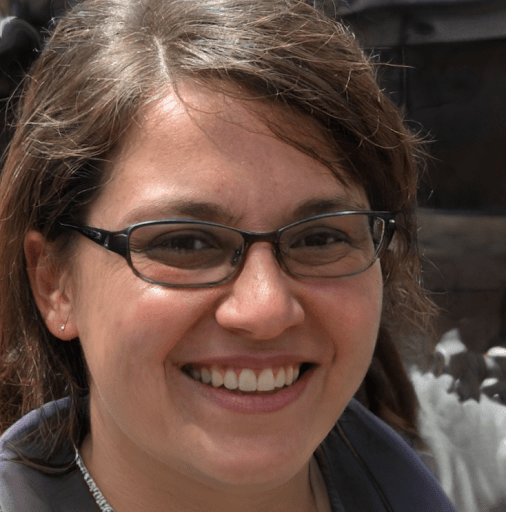
Andrea Gibbs is the Content Manager at SpringHive Web company, a firm that offers web design services, maintenance, and Internet marketing. She specializes in content marketing, social media, and SEO. She also serves as a blog contributor at Wellness Home Care, devoted to encouraging healthy lifestyle choices in senior citizens. When she’s not writing, she can be found running hills or hiking trails, rooting for her favorite team (the Pittsburgh Steelers), or watching a good Netflix series.
Grandparents Raising Grandchildren: A Growing Trend

A Profile of Older Americans (2012) revealed that over 480,000 grandparents had primary parenting responsibility for their grandchildren who lived with them. AARP cited that over 2.5 million grandparents are helping with the responsibility of raising their grandchildren, and 7.8 million children live in homes owned by their grandparents. These statistics represent a growing trend in American culture.
I have several friends who have raised or are raising their grandchildren in their own home. Some have formally adopted their grandchildren. Others share parenting responsibilities with one or both parents. All of them share the common feeling that this is a blessing, not a burden, but that raising grandchildren in later life does have its challenges.
Whatever the circumstances that brought grandchildren into the home of their grandparents to be raised, it can come as a shock to the older adults who find themselves in this situation.
Here are some beginning considerations to raising your grandchildren in your own home.
Impact of aging
Older adults who are assuming primary responsibility for children should “cut themselves some slack”. Don’t feel that you have to do everything as if you were a first-time parent in your 20’s. Remember that you may be parenting, but your body knows that you are still a grandparent. You may have to limit the children’s activities because keeping up with the driving and multiple schedules is too difficult. The good news is that many grandparents in this situation are retired, so both Grandma and Grandpa can help with the kids. This teamwork might not have been possible with your own children because one or both of you were working, but now you can share the duties such as driving kids to school or sports practices, helping with homework, and taking them to doctor appointments. If the children are school age, allow yourself extra time to rest and relax during the day so that after school you have the energy required for these new-again activities with the grandkids. If needed, enlist the help of other family members or friends to help by giving you a break on occasion. Keep in mind that maintaining your own health is especially important if you have young ones depending on you.
Expenses and Education
Many older adults are on a fixed income and may not have planned to care for grandchildren. Your financial plan for retirement might need an overhaul with additional family members in the household. Several organizations have worked cooperatively to compile resources for grandparents in this situation. National and state fact sheets have been developed to link grandparents with key resources in their area. You can find out about resources available to help you at http://www.aarp.org/relationships/friends-family/grandfacts-sheets/ .These helpful fact sheets list local programs, public benefits, key state laws, and contact information for national resources. There may be funding or tax breaks to help with living or educational expenses.
Records and immunizations
It’s important to keep important documents together in one safe place. This includes birth certificates, legal papers, report cards, baptismal papers etc… Keeping a log or journal of important events is also a good strategy, especially when caring for multiple children. There are a number of immunizations for children today that were not available or required when you parented your own children. Immunizations are often free at your county health department, but can be very expensive at the doctor’s office. The health department can tell you what your child needs and when, and will help you by providing an immunization record that will need to be kept up for school. The CDC has a helpful chart of recommended immunizations for birth to 6 years that can be found at http://www.cdc.gov/vaccines/parents/downloads/parent-ver-sch-0-6yrs.pdf A summary of vaccinations for birth to age 18 can be found at http://www.immunize.org/catg.d/p2010.pdf
Enjoy your Grand Family
Despite the obvious challenges of raising grandchildren in your older years, most grandparents describe the many joys that come with this new adventure. Grandparents share a special bond with their grandchildren, and when sharing a home together, that bond can be strengthened. Grandparents can share the wisdom of their experience with this younger generation and have the opportunity to shape their lives for the better. If you are new to this second round of parenting, AARP offers a helpful guide with tips to GrandFamilies, as they call them. These can be found at Grandparents Raising Grandchildren: A Growing Trend