seniors

How to Maintain Mental Wellness in Your Senior Years

Introduction

 Aging is a characteristic piece of life, and as we become older, maintaining excellent mental health turns out to be increasingly crucial. While actual health frequently takes the spotlight, mental wellness is similarly fundamental in ensuring a top-notch life during one’s senior years. In this article, we will investigate the critical techniques to maintain mental wellness in your old years, taking inspiration from mental health influencers who have prepared for positive aging.

The Meaning of Mental Wellness in Seniors

Mental wellness incorporates close-to-home, mental, and social prosperity. It involves managing pressure, maintaining connections, and making decisions that upgrade your satisfaction. In your senior years, mental wellness is especially critical because of multiple factors:

  1. Emotional Resilience

The capacity to deal with life’s difficulties and return quickly from misfortune is essential for seniors. Excellent mental health empowers profound flexibility, helping seniors adapt to health issues, misfortune, and other life-altering events.

  1. Cognitive Function

Mental wellness is intently attached to mental capability. Staying mentally dynamic through exercises like reading, riddles, and learning new abilities can assist seniors with preserving their mental capacities and memory.

  1. Quality of Life

Seniors with significant mental health are bound to partake in a top-notch life. They can remain socially connected, seek after their interests, and continue to lead fulfilling lives.

  1. Physical Health

Mental and actual health intertwine. Seniors with solid mental wellness are bound to participate in healthy behavior, like activity, a reasonable eating routine, and normal healthcare visits.

Methodologies for Maintaining Mental Wellness

  1. Stay Truly Active

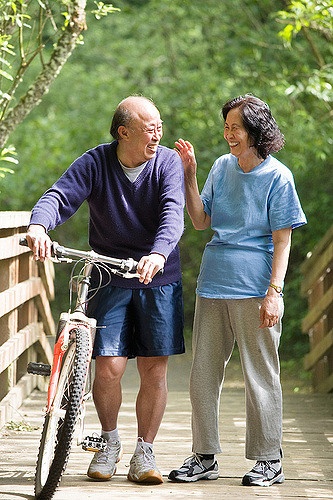
Normal activity is a valuable asset for maintaining mental wellness. It discharges endorphins, which can support the mind-set and lessen the gamble of sorrow. Exercises like walking, swimming, or yoga can assist with keeping both body and mind in top shape. Mental health influencers frequently stress the association between actual work and profound prosperity.

  1. Maintain Social Connections

Loneliness and social segregation can harm mental health. Seniors ought to effectively search out friendly interactions with family, companions, and, surprisingly, new acquaintances. Mental health influencers frequently energize the significance of maintaining solid informal organizations.

  1. Pursue lasting Learning

Engaging in continuous learning is a successful method for keeping the mind sharp and advancing mental wellness. Whether it’s picking up another side interest, learning an instrument, or taking courses, intellectual pursuits can give a feeling of achievement and motivation.

  1. Manage Stress

Stress is a piece of life, yet persistent pressure can negatively affect mental health. Practicing pressure-the-board strategies like reflection, profound breathing, and mindfulness can assist seniors with staying quiet and centered. Mental health influencers frequently share their encounters with pressure-decrease plans.

  1. Seek Proficient Support

Assuming seniors are experiencing symptoms of despair, uneasiness, or other mental health issues, looking for proficient help is fundamental. Mental health influencers frequently destigmatize treatment and counseling, emphasizing that seeking support is a bold move toward better mental health.

  1. Stay Positive

Maintaining an uplifting perspective on life can fundamentally influence mental wellness. Practicing appreciation, focusing on the present, and embracing a feeling of direction can assist seniors with finding euphoria and satisfaction in their senior years. Mental health influencers frequently share inspirational and positive messages to inspire their supporters.

 Manage Constant Illness

Seniors frequently must adapt to persistent health conditions. Managing these circumstances successfully is pivotal for mental wellness. Adhering to treatment plans, staying informed, and seeking support gatherings can all add to better close-to-home prosperity.

 Engage in Imaginative Expression

Innovative articulation, like artistry, writing, or music, can be a helpful source for seniors. It permits them to articulate their thoughts, process their feelings, and find satisfaction in their imaginative undertakings. Mental health influencers frequently utilize innovative articulation as a method for sharing their stories and inspiring others.

 Volunteer and Give Back

Volunteering isn’t just a method for giving back to the local area but also a valuable chance to feel a feeling of direction and achievement. Helping others can support confidence and mental prosperity. Numerous mental health influencers find satisfaction in their backing work and volunteering endeavors.

  • Embrace Technology

Innovation can assist seniors with staying associated with friends and family, accessing mental health assets, and participating in mentally stimulating exercises. Utilizing cell phones, tablets, and PCs can open up a universe of chances for seniors to remain mentally dynamic and socially locked in.

Inspirational Mental Health Influencers

 Mental health influencers have made considerable commitments to the talk on profound prosperity in seniors and individuals, everything being equal. Their stories and support endeavors act as an inspiration for seniors looking to maintain their mental wellness. The following are a couple of influential figures who have made ready:

  1. Patricia Edgar

Patricia Edgar, a promoter for senior mental wellness, has spoken enthusiastically about the significance of staying dynamic and socially associated and participating in meaningful exercises in one’s senior years. Her backing has inspired numerous seniors to lead dynamic and fulfilling lives.

  1. John Grohol

As the organizer behind Psych Focal, John Grohol has been a vocal defender of mental health mindfulness. His work underlines the significance of seeking proficient help and reducing the shame surrounding mental health issues.

  1. Wendy Sue Swanson

Dr. Wendy Sue Swanson, a pediatrician, has utilized her foundation to urge a comprehensive way to deal with mental wellness, highlighting the association between physical and psychological health. She advocates for standard activity, nourishment, and a solid interpersonal organization.

  1. Rudy Caseres

Rudy Caseres has become a prominent promoter of mental health mindfulness, especially within the senior local area. His endeavors have urged seniors to look for treatment, decrease the shame surrounding mental health, and participate in open discussions about their close-to-home prosperity.

Conclusion

Maintaining mental wellness in your senior years isn’t just imaginable but fundamental for a fulfilling and meaningful life. The systems examined, inspired by mental health influencers, offer a guide for promoting close-to-home prosperity in seniors. Staying genuinely dynamic, nurturing social associations, embracing deep-rooted learning, and managing pressure are almighty tools to improve mental health and make a positive aging encounter. The excursion to mental wellness in your senior years is an ongoing cycle; one loaded up with open doors for development, association, and a significant feeling of satisfaction.

By |2026-06-11T08:33:03-05:00June 13th, 2026|Dr. Mauk's Boomer Blog, News Posts|Comments Off on How to Maintain Mental Wellness in Your Senior Years

Guest Post: Keeping Seniors Safe at Home

While there’s no 100% absolute way to ensure your elderly parent or loved one doesn’t fall,
there are things that can be done to help minimize the risk. I’ll give you a quick checklist of
five steps to a safer home for a senior. Likewise, click here for some alternative ways to
steer clear of falls.

1. Furniture, accessories, and narrow pathways:
Is there furniture crowding a room or creating narrow pathways? Are there inessential
items or decorations all over the house? None of us like to throw things away and we all
know seniors love to keep antiques and knick-knacks, but sometimes they can pose a
hazard to elderly home safety. That old rug underneath the coffee table can trip you easier
than you think. Make sure there is nothing impeding easy travel throughout the house. A
straight path is the easiest path so there should be no navigating around corners or edges.

2. Doorsills and steps:
Now, these two sound like obvious culprits, but you’d be surprised how often they’re
underestimated. A quick remedy is to paint doorsills a different color or buy reflective tape
for the edge as a reminder that they’re there. This goes for the edge of stairs as well.
Confirm that there’s no loose carpeting, unstable wood, or erosion of any kind on steps or
doorsills. Also, make sure any area with a step or uneven surface is very well lit.

3. Lighting:
This one is perhaps the easiest of all. Double-check that all areas of the house are well lit,
with bulbs at least 60 watts or higher in each socket. Remove all exposed cords and make
sure any lamp or light-switch is within easy reach. If the lamp closest to a favorite reading
chair is hard to reach while sitting, move it closer. Also, check that there is no risk of any
lamp falling or being tripped over. Again, lamps should remain within reach, but still out of
the way.

4. Telephones:
Keep a telephone, within easy reach, in each room. This prevents your elderly loved one
from feeling compelled to rush to a ringing phone. Not only can getting up too quickly cause
light-headedness or dizziness, but it can also cause an elderly person to lose focus on their
surroundings and mistakenly fall in an easily preventable situation.

5. Bathrooms:
Bathroom floors and shower tubs can get slippery, we know this. To combat slipping,
guarantee there are either bars affixed to the wall or a counter to grip while getting up and
down off the toilet and in and out of the shower. Also, purchase adhesive grip-tape for the
tub bottom and again, provide adequate lighting throughout the bathroom. Shower rugs
can also slip so place double-sided tape on the bottom of the rug to impede the rug’s
movement.

If you are worried about a loved one, these are very easy and painless steps to minimize the
risk of in-home falls. As mentioned before, however, there is no 100% way to prevent accidents so medical alert systems provide a great backup. Not only do they give you peace
of mind when you’re not around your loved one, but they make the wearer feel safe as well.

Jacob Edward is the manager of Senior Planning in Phoenix Arizona. Senior Planning is geared towards helping
seniors and the disabled with finding and arranging types of care, as well as applying for state and federal
benefits.

By |2026-05-15T08:11:27-05:00May 21st, 2026|Dr. Mauk's Boomer Blog, News Posts|Comments Off on Guest Post: Keeping Seniors Safe at Home

Guest Blog: 5 Signs of Mental Health Issues for Seniors


When you’ve started to notice changes in an elderly relative, you may wonder if a mental health issue is the cause. While it is important a mental health professional diagnoses these issues, some signs exist indicating that the time has come to make an appointment.

Depression
Depression can occur for a host of reasons. Elderly individuals may be suffering from the loss of a loved one, or they may feel alienated, isolated or otherwise separated from their friends or from their interests outside of the house. Individuals who seem filled with sadness and negative emotions or who are hinting about emotional turmoil may need outpatient or inpatient treatment for depression.

Anxiety Issues/Bipolar Disorder
You may also notice that your loved ones are having heightened periods of elevation followed by periods of deep sadness. They could be suffering from bipolar disorder. Serious anxieties could begin to manifest at this age too. For example, you may notice that your elderly relatives always seem to be thinking about their own death or about expected loss of other loved ones.

Memory Loss
As people age, you may think that it is a normal occurrence for them to forget information that they would have once remembered. However, these early slips could be signs of a more serious problem that is coming into fruition. Your loved ones might now be forgetting about certain dates or social events, but these struggles could turn into failures to take medication or complete other necessary medical tasks.

Personal Care
If you notice that your loved ones are not taking care of themselves as they used to, this situation could also be a sign of mental health issues. For example, you may have noticed that your relatives are no longer brushing their teeth or bathing on a regular basis. Seeking professional help can uncover the root of the issue so that a plan of treatment can be devised.

Social Withdrawal
Your loved ones might also seem to not want to participate in social activities anymore. Whether they are constantly declining invites to attend family functions or they do not want to participate in community activities any longer, these decisions could be signs that a mental health issue is present.

As your loved ones age, you may be the lookout for physical health issues. While addressing these problems is imperative, so is watching for signs of mental health struggles. May is mental health awareness month, get involved to help bring awareness to this important cause!

By |2026-03-04T09:32:35-05:00March 26th, 2026|Dr. Mauk's Boomer Blog, News Posts|Comments Off on Guest Blog: 5 Signs of Mental Health Issues for Seniors

How to Prepare for Senior Living

As Americans age, they must face the prospect of what to do when maintaining their independence is no longer recommended or feasible. The following resources from Senior Care Central will help you and your family figure out how best to make decisions about retirement communities, assisted living facilities, and nursing homes.

How Do I Know When to Make a Change?

Sometimes it is difficult to know when it’s time to change your living arrangements or those of an aging loved one. Check out these sources for help in knowing when the time is right.

  • Consumer Affairs lists 17 signs that it may be time to consider assisted living.
  • If you’re still unsure about moving into senior care, perhaps aging in place is an option, at least for a little while.

How Do I Know a Facility is a Good One?

Once you are certain a senior care option is necessary, you have to choose the location. However, there are so many facilities in operation that it can be difficult to tell which one is best for you or your loved one. Utilize these tools to make sure you’ve made the best choice.

  • There are several websites that rate retirement communities, so be sure to take these reviews into consideration.
  • However, many people are more comfortable with consumer reviews, so don’t neglect this source of information.
  • It also doesn’t hurt to check out what government inspection procedures are and to make sure the facility you’re considering has few if any citations against it.

How Do I Pay for Long-Term Senior Care?

It is hard enough figuring out senior care without even considering the costs associated with it, but sooner or later, the price of assisted living must be taken into consideration. Fortunately, there are many ways to make the cost affordable.

It may not be pleasant as you investigate options for senior living, but it will likely be necessary. The process can be confusing and stressful, but the resources discussed in this article will make the process a little easier to understand and navigate.


By |2026-01-08T12:59:38-05:00January 29th, 2026|Dr. Mauk's Boomer Blog, News Posts|Comments Off on How to Prepare for Senior Living

6 Ways to Keep Seniors Safe During the Holiday Season


The holidays are just around the corner. While it can be the best of times for many, it can also be the worst of times for some. On the one hand Holiday Season means turkey, gifts and family. On the other hand, it can also mean cold, ice, darkness and loneliness.
Here are a few tips on how you can help your mom, dad or yourself stay safe during the holiday season.

1. Get the flu shot

Up to 85% of flu related deaths happen to those over the age of 65. The Center for Disease Control suggests get the flu vaccine is the best way for seniors to avoid getting the flu. It’s often free under Medicare, Medicaid, insurance plans under the Affordable Care Act and many private employer and school insurances.

2. Avoid isolation

Winter conditions have a tendency of keeping folks indoors, especially less mobile seniors, making isolation a real risk.
Check up on your parents frequently. Make sure they’re not missing any medical appointments, they’re getting their medications, their fridge is full and they’re connected to their support system. Arrange transportation if necessary.

3. Walk safely outdoors

Icy conditions and uneven walking surfaces dramatically increase the risk of outdoor falls. Consider crampons for extra grip and stay indoors during winter storms. You may also want to look into getting a medical alert system with GPS and fall detection to get immediate help in the event of a fall, injury or medical emergency.

4. Avoid depression

The winter blues are a real thing. Shorter days, lack of sunlight, cold weather can all lead to depression. Make your parent’s home a brighter place with therapy lamps. Stay in regular contact with them, include them in family plans, arrange for them to meet with friends and to exercise frequently.

5. Keep the heat on, but keep it safe

Make sure all heat sources are used safely.
Space heaters should have three feet of clear space around them – no curtains, blankets or clothing touching. Have the local fire department install smoke and carbon monoxide detectors – it’s often free!

6. Prepare for power outages

A power outage in the winter months can be especially dangerous for immobile seniors. Make sure your parents have a flashlight or battery operated lanterns. Arrange an alternate place for them to stay if they have no heat or light.

By |2025-12-01T11:40:15-05:00December 1st, 2025|Dr. Mauk's Boomer Blog, News Posts|Comments Off on 6 Ways to Keep Seniors Safe During the Holiday Season
Go to Top