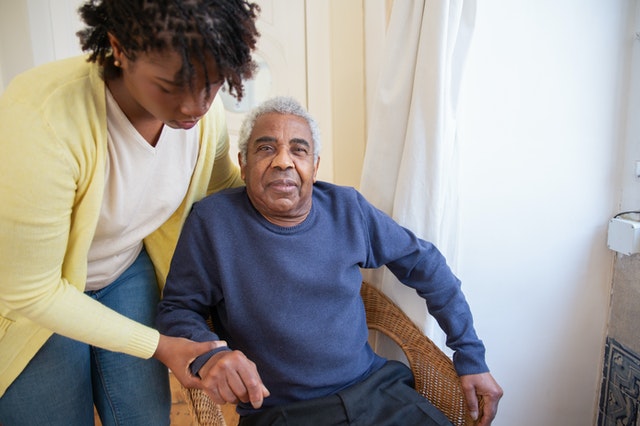
elderly

Guest Blog: Elderly Temper Tantrums: What’s Behind the Outburst?
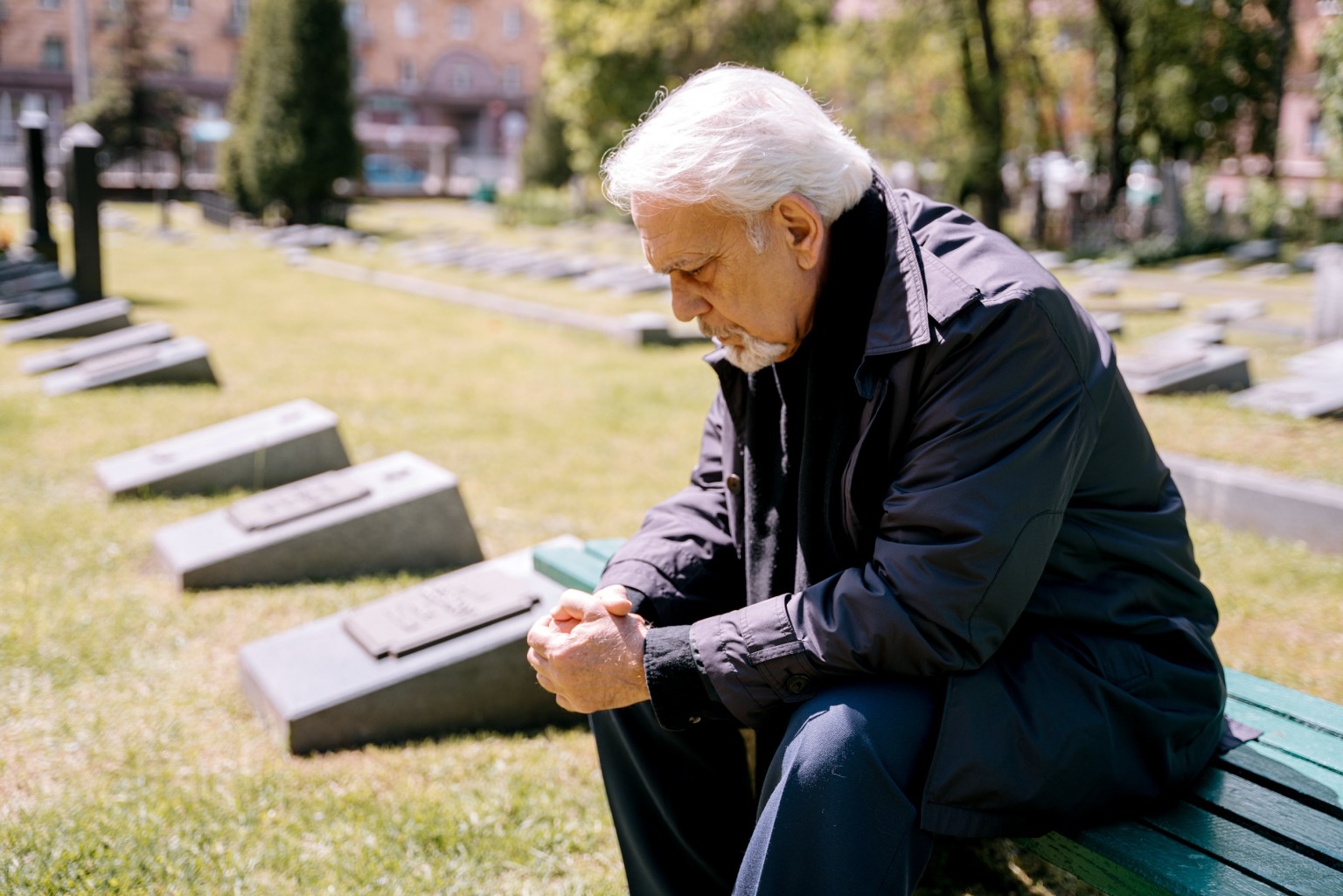
It can be somewhat scary when your parent has a tantrum for the first time as an adult. Although we often associate tantrums with young children or teenagers, emotional outbursts can happen at any stage of life. Acting out is losing control when confronted with intense emotions like anger, grief, fear, or any combination of the three.

Watching an elderly parent lose their cool is problematic because it seems wrong on many levels. Many family caregivers are horrified and unsure of how to react when their parent exhibits a level of irrationality that they have never seen before. The best way to handle an outburst without losing your cool also depends on understanding the causes of it. For treatments, you can also find a therapist from counselling Chigwell.

Why Elderly Family Members Act Out

There are numerous reasons why seniors have tantrums. It frequently happens due to the personality changes brought on by dementia, including Alzheimer’s disease. Certain pharmaceutical drugs may interact or have adverse side effects that lead to irritation and mood changes. A person’s health-related worry or depression may lead to emotional outbursts. The senior in question is misbehaving, but the most complicated explanation to swallow is that they are simply being stubborn and trying to get their way.

It isn’t much you can do if you are dealing with the emotional ups and downs of an elderly loved one with dementia. Outbursts characterise many types of dementia and stages in the condition’s course. Even though it would be tempting to try to reason with a person with cognitive impairment, the truth is that doing so will only worsen the situation. You can talk to the doctor about your loved one’s options for treating anxiety and recent dementia symptoms like violent emotional outbursts. Otherwise, the best you can do to prevent dementia-related outburflares maintain a peaceful, familiar, structured, engaging, and optimistic environment around them. Any abrupt changes in a senior’s conduct should be taken seriously. It can indicate an adverse drug reaction or an underlying health problem, including a urinary tract infection (UTI), untreated discomfort, or restless sleep. Seniors may experience peculiar behavioural signs from diseases like UTIs that are uncommon in younger people. It’s crucial to get a loved one checked out by a doctor immediately if they start acting irrationally angry or disturbed.

Five Ways for Handling Elderly Temper Tantrums

  1. Make an appointment with your loved one’s doctor to ensure that any new or escalating physical or mental health issues are not to blame for their bad behaviour.
  2. Do not interact with your elderly relative when they are acting off. Give it no energy at all. Let them know that you won’t be listening to their outburst. Say this as gently as you can, then turn around and go. Before you interact with them again, step out of the room and give them plenty of time to calm down.
  3. Once they have calmed down, softly grasp their hand and say, “I do love you,” if your loved one tells you to don’t. Since I love you so much, I must take breaks to give you the most excellent care possible. Keep it at that and avoid engaging in further conversation. You don’t need to provide an explained break from caring for a loved one or set limits on their unreasonable expectations. “No is a whole phrase” is a standard piece of advice given on the Caregiver Forum to members who have trouble establishing and upholding boundaries with challenging elders.
  4. Remind yourself that you deserve and need a break, then go ahead and take one. Doing something modest for yourself daily will set the bar, even if it isn’t an all-day affair. Schedule a respite period the same way you would any other appointment.

Your loved one will eventually start to respect your boundaries and self-care. They will understand that you are serious if you are constantly unyielding about your “me time” and limitations, and they will probably stop trying to manipulate your emotions. After some time, if they still don’t, you might have to stand your ground and impose even more stringent restrictions on what you will do for them and when. Being around constant negativity and criticism is harmful.

  1. Finally, be aware that you will feel guilty the first few times you carry out these measures. (This is precisely proper if you haven’t had much enjoy setting up barriers or advocating for yourself.) even though you have not carried out whatever is incorrect or malicious, you’ll sense as though you have got. Always prioritising the needs of others before your own is not a pleasant or healthy way to live. The secret to practical, long-term caregiving is learning to put self-care first and letting go of unjustified guilt.


Wrapping up:

It can be somewhat scary when your parent has a tantrum for the first time as an adult. Although we often associate tantrums with young children or teenagers, emotional outbursts can happen at any stage of life. Acting out is just losing control when confronted with intense emotions like anger, grief, fear or any combination of the three. I hope this article will help you with the information we discussed.

 

By |2024-10-30T12:56:26-05:00November 17th, 2024|Dr. Mauk's Boomer Blog, News Posts|Comments Off on Guest Blog: Elderly Temper Tantrums: What’s Behind the Outburst?

The Importance of Social Interaction for Seniors

Social engagement offers senior individuals the chance to live longer. It provides several essential health benefits, such as a potential decreased risk of dementia and a wide range of physical issues, such as high blood pressure, arthritis, and cardiovascular activity.

Aside from the many readily apparent factors that significantly impact general health, like lifestyle choices, past injuries, and lack of access to healthcare, isolation is one such factor. As people age, their mobility declines, and their peers and older relatives pass away, the risk of loneliness increases. It is obvious how this will undoubtedly affect the elder’s emotions, but it may be less obvious how this will affect the elder’s physical health. The senior’s general health can be enhanced, and the cost of care may be decreased by addressing isolation and assisting the older adult in discovering additional avenues for social connection. Companion Care for Seniors delivers seniors with the essential social link. Without interaction with others, elders may begin to feel lonely and unhappy, which may lead to the emergence of mental health problems and a deterioration of their physical health. Senior in-home companions ensure that your loved ones engage in healthy activities and social contacts.

Numerous health advantages, including a lower incidence of depression and a longer life expectancy, have been linked to entire social life. Even higher benefits might result from social interaction with a variety of people. Older persons were more likely to engage in more physical activity, have more good moods, and experience fewer negative emotions if they connected with people outside their typical social circle of family and close friends.

It’s essential to Interact with Others.

The importance of social connection for your health and well-being is more significant than you would realise. It can aid in enhancing your immune system and extending life expectancy and fostering social relationships with those nearby.

For older persons, socialization is essential since it has many positive effects on their mental and physical health. Most people socialise with their immediate family or close acquaintances. Sadly, many older adults are lonely or have lost their friends and family, and this isolation can harm them.

You can benefit from social connection when kind people, including those surrounding you.

The feeling of belonging

People want to feel as though their lives matter and have a purpose. For older people, belonging is essential. Health issues could arise if this sensation is missing. Seniors who sense their lives are meaningless are likelier to suffer from impaired mental and physical fitness. Lower cognitive performance can result from a lack of meaning; however, socialising can lessen these dangers. Older persons have a sense of belonging when they are part of a social community. These relationships foster a sense of network and lower the chance of cognitive decline.

Maintain active

While staying physically active is essential as you age, older folks may lack the motivation to do so. The desire to exercise might be boosted by social interaction.

Seniors are more likely to exercise when socializing with people outside their immediate family. In addition to its many health advantages, exercise can help you age well by enhancing your capacity for learning, reasoning, and judgement. In addition to improving sleep, training can assist older persons in lowering their risk of anxiety and sadness.

less anxiety

Seniors who don’t engage in regular social engagement are more prone to stress and poor mental health. There are some behaviors that stress might upset you, with:

  • Depression
  • Anxiety
  • vascular problems
  • issues with the digestive system.

A robust support network can aid in preventing and reducing stress. Socialization reduces anxiety, boosting your confidence in your capacity to handle stress. Older folks who are socialised and in healthy relationships have a purpose and significance in their lives.

Improved Sense of satisfaction

Spending time with friends and family improves happiness and quality of life and opens one up to new ideas and viewpoints. Spending time developing connections makes older persons happier and reduces their risk of developing sadness and anxiety.

Friendships and relationships are crucial; studies show that socially active seniors have higher life satisfaction.

Lower Chance of Mental Decline

Alzheimer’s disease, which causes significant cognitive deterioration in millions of Americans, is prevalent. Socialization can reduce your chances of mental decline despite no cure.

Your cognitive performance can be positively affected by solid friendships. When older people interact with one another and keep their companies, their episodic memory, or capacity to recall specific memories in-depth, is preserved. In a study, socially engaged elders and significantly younger participants showed comparable episodic memories.

Enhanced Cognitive Performance

Did you know that social interaction can help your brain develop? Making new friends can increase memory recall and shield the brain from disorders that cause brain deterioration.

Older people benefit from social interaction. These interactions inspire seniors to keep learning and active minds to stave off mental decline.

Wrapping up:

This article will explain how crucial social attraction is for elders because, Without interaction with others, elders may begin to feel lonely and unhappy. The senior’s general health can be enhanced, and the cost of care may be decreased by addressing isolation.


By |2024-10-30T12:56:12-05:00November 15th, 2024|Dr. Mauk's Boomer Blog, News Posts|Comments Off on The Importance of Social Interaction for Seniors

Guest Blog: 3 Reasons How Counselling Can Be a Life Saver for Many Seniors

Many of us face loads of issues in different aspects of life. It can be heed to our career, studies and personal affairs. However, we all are somehow dependent on a counsellor to sort out our emotional difficulties, overcome our problems and make appropriate changes in our lives. Counselling can help people of any age, but the counselling needs of a teenager are almost going to be a lot different than those of an adult. Ageing includes life changes and transitions like retirement that you may want to talk to someone about. Many famous counselling centers, such as Lakewood senior care, help seniors stay home with custom assistance which works together to create a network of services and support for seniors in a community. They focus on providing a safe, pleasant, home-like environment for their residents. Their goal is to treat every person with respect and the dignity they deserve. They urge us to focus that why counselling plays an essential role in the life of seniors. Hence, this is proven as under.

Stimulate seniors to have a positive mindset:

For most people, retirement is a thrilling time to progress, engage themselves in entertainment, or spend additional time with their loved ones. Others may feel less passionate and admiration what to do with their time. Even if they are excited to retire and have plans for how to spend their time, the adaption can still be a shock to the system. Part of ageing is losing people that you know. For some, that means losing a friend, family, or partner. Counselling can help them work through their grief and thoughts related to ageing, death, and dying. Counsellors provide therapy that changes our thoughts, emotions, and behavior.

Talking to a counsellor can help seniors consider their choices and reflect on their careers. It can also give them a more accurate sense of what they should want to focus on during retirement. This also builds a positive sense of humor in adults, and they start observing things firmly. Better advice and guidance promote positivity in their thinking and professional life.

Address speculative affairs formerly:

A clash from the past would be sorted out when a person reaches seniority in a perfect world. However, many seniors are still getting their hands-on on issues that ensue long ago. A time-honoured family dispute could turn down your loved one’s fretwork of support. Remembrance of a horrifying experience can cause seniors to segregate themselves from the ones left over. Your beloved may not be ready to transverse some of these problems with close family members, but they are likely to open up to a counsellor who can help them take steps towards relief.

Most counselling techniques are based on respect, empathy, and support. It is critical for the profession of geriatric counselling to foster a culture in which mentally healthy older persons are seen as “normal.” Counsellors must convey the concept that old age is not problematic in and of itself and does not necessitate counselling. However, when symptoms exceed an older adult’s capacity to function, counselling should be considered regardless of age. Some therapists and counsellors focus on dealing with seniors. They are informed about the unique challenges that impact you and others your age.

Dealing with medical issues:

Mental health mainly deals with our thinking, feelings and behaviors. From the time we are born through childhood, and adulthood, until old age, we can get stressors in life, leading to changes in thinking, feeling, and behaviors, leading to mental health problems. A counsellor will help the person and guide the person in various ways. One of the ways is counselling, where the person is taught to develop specific coping skills and help them become better at dealing with stress. There are also other methods like medications that help a person recover faster and those who are incredibly suicidal or homicidal very agitated. They may require inpatient management. Positive mental health allows seniors to realize their full potential to cope with destresses in life and work productively.

Counsellors advise people to maintain positive mental health, have a positive connection with others, and get enough periods of sleep. As time passes, you may have health issues that change how you do things. Many circumstances associated with getting aged may alternate your daily routines and capability. Even if you haven’t been treated with a condition, your vision, hearing, memory, and physical strength will likely decline as you get older.

Positive deliberation is not about expecting the best to happen. It’s about accepting that whatever happens, happens for the best.


By |2024-04-23T11:14:54-05:00June 2nd, 2024|Dr. Mauk's Boomer Blog, News Posts|Comments Off on Guest Blog: 3 Reasons How Counselling Can Be a Life Saver for Many Seniors

Guest Blog: 6 Best Practices to Avoid Back Injury For the Elderly

Back injuries are more prevalent among seniors. Although old-age contributes to some back injuries, most injuries result from handling daily activities inappropriately. Lifestyle changes that require heavy sitting and standing could also cause back injuries. As a senior, you should watch out for the following practices to avoid back injury.

Maintain Good Sleeping Posture

Seniors sleep longer, but their sleeping patterns are pretty short. A senior can sleep for two hours, wake up, stay awake for an hour, and go back to bed. Such sleeping patterns increase the chances of wrong sleep postures.

And as you know, the wrong sleep posture can cause back injury and sciatica. Keep your position reclined and fetal when sleeping on an adjustable. Sleep on the side while keeping the pillow between your knees.

Maintain a Safe Posture

Maintaining a good posture when sitting or sleeping can help seniors prevent back injuries. Avoid slouching over your telephone or computer as that stresses the back, causing injuries and pains.

Stick to the ergonomically recommended sitting position at home and in the office. Do not sit a whole day in front of a computer. Take breaks and perform some stretches to keep your back curves streamlined and strong.

When you stand, maintain a straight posture keeping the feet shoulder-width apart and the head aligned with the body. As you sit, keep the feet resting flat on the front and never cross the legs. Keep the knees behind the ankles and the neck and upper back straight.

Keep Spine-Supporting Muscles Strong

The ligaments and muscles supporting the spine get weaker as you age or when exposed to injury-triggering risks. Keeping the core strong is one way to stabilize the spine and prevent back injury and pains. Engage in exercises that promise to strengthen your core muscle groups.

Remember, an injured back can make it impossible to lift things, bend and stretch. You can engage in several exercises to keep your spine-supporting muscles strong. Low-impact aerobics activities with emphasis on walking for seniors does a great job of preventing back injury. Gentle exercises such as yoga can also do a great job of helping seniors avoid back injury.

Avoid Stress

As old age knocks, you will likely feel more stressed and unsatisfied. It won’t be a surprise if small things leave you with high anxiety and stress levels. However, do not forget that stress is a strong catalyst for back injuries. Stress changes your breathing patterns, ultimately straining your mid-back. The shoulders may also hunch up, ultimately causing pain in your middle and upper back.

Stop Smoking

Many studies have linked cigarette smoking to back injuries and pains. Smoking doubles the risk of heart disease and makes your body prone to colon and lung cancers. Smoking has been linked with worsening back pain issues and affecting your overall health. Smoking also increases the risk of back injuries.

It does so by damaging the arteries in your joints and discs. When the back joint and disc arteries are damaged, you’re more likely to experience back injury. In addition, smoking can cause osteoporosis, a bone-thinning disorder that causes back injury.

Do Not Over Exercise

Seniors have a range of issues they want to address through exercising. They want to minimize the risk of heart disease, stay fit, avoid obesity, and keep stronger. Such huge goals can make some seniors overdo some physical activities. However, never overdo any physical activity as that can leave you with more health issues.

First, excess physical activities are known to overstretch or tear up your lower back ligaments and muscles. Overstretched muscles and ligaments often cause muscle spasms, pain, and stiffness. These all can lead to back injury and unending pains. Although back sprains and strains are treatable at home, they are better avoided.

Wrapping Up

The last thing a senior wants is to have back aches and injuries. Exercises and physical activities are the leading causes of back pains and aches. Understanding how to perform exercises is the first step to avoiding back injury. You should understand that sitting and sleeping postures can also make you prone to back injury. Know the basics of maintaining the proper posture when sleeping and sitting, and bid goodbye to common back injuries and pains.


By |2024-02-01T14:36:35-05:00April 7th, 2024|Dr. Mauk's Boomer Blog, News Posts|Comments Off on Guest Blog: 6 Best Practices to Avoid Back Injury For the Elderly

How to Provide Care for Elderly and Disabled Persons


There are many factors to consider when it comes to elderly care or dealing with the needs of disabled people. First of all, you should understand that we are all placed in positions like this eventually so empathy is highly important. Caring for these individuals is about love and respect coupled with science, but also common sense depending on each situation. Each person is different, and understanding their specific condition is the first step towards proper care.

Learning about CPR Procedures for Emergencies

CPR is invaluable when working with anyone because you never know when certain ailments will sneak up on you. This is especially true for those dealing with unique conditions or old age which makes you susceptible to breaking bones easier. According to AED CPR, “Cardiac arrest may be reversed if cardiopulmonary resuscitation is performed immediately and a defibrillator is used to shock the heart and restore a normal heart rhythm within 3-5 minutes.” This is an amazing process even though it’s very frightening. You can get your online CPR renewal to stay updated and refreshed about this life-saving medical procedure. The reality is that someone is doing CPR right now somewhere in the world because heart attacks are common. The elderly and disabled are more likely to have increased frequency and severity of heart attacks because of age and underlying conditions.

Dealing with Resistance and Help Living Transitions

Sometimes it’s best if an elderly or disabled person is taken care of by professionals in a medical environment. Resistance is common for those who have been self-sustained their whole lives and many also don’t want to be away from their family. However, you have to do what’s best for your loved ones and give them a good balance of social interaction if they’re at a care facility. Frequent visits are advised so they don’t feel forgotten or unloved which is a response to the need for assisted living. There are many burdens and stresses involved with caring for them, and sometimes the right methods are outside your grasp. The best way to help people in the most severe positions is to find them a good facility.

Reduce any Background Noise and Distractions

One of the difficulties of getting older is having increased hearing difficulties. There are certain methods you can implement to help them feel more comfortable if you decide to take care of them at home. One of the strategies is to reduce any ongoing noises like the television set or radio. Repeating yourself is part of the process, and you should be kind and understanding of their position by raising your voice so they can hear better. Speak clearly and slowly so that communication with these individuals is easier. You also should be in a well-lit room so they can see your facial cues which become increasingly important.

Take Care of Them Yourself and Know Their Condition

Knowing how to take care of elderly patients is part of a nurse’s job description, and you can learn much from their process if you decide to undertake the responsibility of caring for a loved one. Knowing their condition is the first step to properly understanding what they need. No matter what setting, it’s critical they are accommodated and safe with the proper medication to alleviate any symptoms. Sometimes conditions stack up and cause complex situations, and they get more challenging usually. Gaining insight into the side effects of aging will help you develop a concrete foundation on how to address it. Always remember that their psychological well-being may depend on professional care based on the severity of their circumstance.

These Methods Will Help You Care for The Elderly or Disabled

As you can see, there are two possibilities for the elderly and disabled people who struggle to take care of themselves. Either a nursing home is necessary, or perhaps the family is willing to take care of their needs. This will vary depending on the severity of the situation, and sometimes it’s much safer for them to be placed in assisted living. The family can still support them there, and they get the consistent treatment needed in a professional and comfortable environment.


By |2024-01-29T11:55:40-05:00February 25th, 2024|Dr. Mauk's Boomer Blog, News Posts|Comments Off on How to Provide Care for Elderly and Disabled Persons
Go to Top