Jim

About Jim

CFO - Senior Care Central, LLC

Guest Blog: Tips For Preventing Falls Among The Elderly

Falls among seniors are more common than you think.

According to the Centers For Disease Control and Prevention, nearly 36 million older adults suffer a fall each year.

Our muscles lose strength, and our balance and coordination decline as we get older. As our senior loved ones are already at a certain age, they are now more prone to falls, and it could only get worse as they get on in years.

However, we can take steps to keep our seniors from suffering falls. Here are some tips on how to prevent falls among the elderly.

Declutter

Make sure your parent’s or grandparent’s space is clutter-free. You can’t have random stuff lying all over the place, becoming a tripping hazard for seniors. The floors that your elderly loved one walks on should always be clear, with nothing to step, slip, and trip on.

Put Up Grab Bars & Handrails In Strategic Spots

Seniors can use additional support when walking around the house. So, it would be great if the hallways, bathrooms, and stairways are fitted with handrails and grab bars.

Add More Lights

Our seniors typically have poor eyesight, which can only get worse under poor lighting conditions. By installing additional lights (and brighter ones at that), seniors will have a better chance of seeing and avoiding tripping and slipping hazards as they go about the house.

Use Only Non-Slip Mats & Rugs

All the mats and rugs in the house should be the non-slip type or secured to the floor.

Get Them To Exercise Regularly

Regular exercise is crucial to keeping the muscles, bones, and sense of balance of our seniors strong. Walking, lifting light weights, climbing stairs, or doing something as simple as standing on one leg for a minute or two can already help them stay as fit as possible. The fitter they are, the lower their risk of suffering a fall.

Tell Them To Be More Careful

Sometimes, seniors fall because they try to move too fast when walking across the room or getting out of bed. Tell them they need to be more careful when doing so and always move at a more comfortable pace.

Falls don’t have to be synonymous with getting older. By taking the necessary precautions, our seniors stand a better chance of avoiding them.


About the Author

 Melissa Andrews is the Content Marketing Strategist for Paradise Living Centers, an assisted living center for seniors with locations in Paradise Valley and Phoenix, Arizona. In her spare time, she enjoys cooking and going on hiking trips with her siblings and cousins.


By |2023-11-20T17:13:32-05:00December 2nd, 2023|Dr. Mauk's Boomer Blog, News Posts|Comments Off on Guest Blog: Tips For Preventing Falls Among The Elderly

Guest Blog:Technology in mobility, a smarter outlook!

In a world where technology seems to pervade every aspect of our lives, we take a look at how technology can make a positive contribution to care and making the lives of your loved ones easier and more dignified in later life.

Many people will be familiar with the term ‘Aids To Daily Living’.  This simply describes a category of products that do exactly what the term implies. Usually associated with smaller products that help in the home or the garden, these products are at the forefront in the push for technological breakthroughs as manufacturers look for the next big seller!

This relentless drive has meant that the Living Aids sector has grown massively from just a few lines of products in the early eighties, to quite literally thousands of product lines and growing today.

Examples of some Daily Living Aids include easy grip cutlery; can and bottle openers, long handled tools, the list is almost endless and there are new innovations being developed daily.

Technology has pushed the advancement of lightweight materials including new plastics, metals alloys and electronic components that have revolutionised many products. A good example of this is the walking stick, formerly made of cane in a one-size-fits-all configuration; the walking stick now has many types, materials, colours and setting options. Many of the enhancements have been borrowed from the world of high end sport, F1, military and even space!

Further evidence of this technological boundary breaking has been in the field of medical prosthetics where both mechanical engineering and state of the art electronics mean that disabled people are now receiving much greater movement options as bio and electronic systems become ever more intertwined.

The care sector has always been hungry for new technology, as most readers will be aware it is the smaller sometimes mundane tasks that affect our loved ones and that require specialist products that can help. The search for these products can be challenging but the internet can be a valuable resource to locate Daily Living Aids that can be most useful.

It is usually a good idea to start with the problem when looking for new products, i.e. ‘problems reaching high shelves’ – searches like this will often bring up some product based results and technology based answers. Another good resource is forums where new technology is discussed and you can canvas the experience of other product users.

A greater range of Daily Living Aids products can mean more independence as more tasks become available through the tools available. It can make a big difference to self-esteem as the person can continue to feel they can perform ordinary tasks, albeit with a little help in the right direction, and sometimes a little push to get them to adopt something new!

As with all technology, it will continue and this will mean that in the future we can look through to even more discoveries that can contribute to increased mobility and independent living of our loved ones; this can only be a good thing and is a great example of using technology in a positive way, for the benefit of all.

This post was written on behalf of Andrew Atkinson. Andrew is a director of mobility products specialists MobilitySmart and has written many articles on providing health and mobility tips .


By |2023-10-27T15:35:45-05:00November 20th, 2023|Dr. Mauk's Boomer Blog, News Posts|Comments Off on Guest Blog:Technology in mobility, a smarter outlook!

Guest Post: Why Mobility Aids Don’t Need to Be Used Long Term

pic of mobile unit

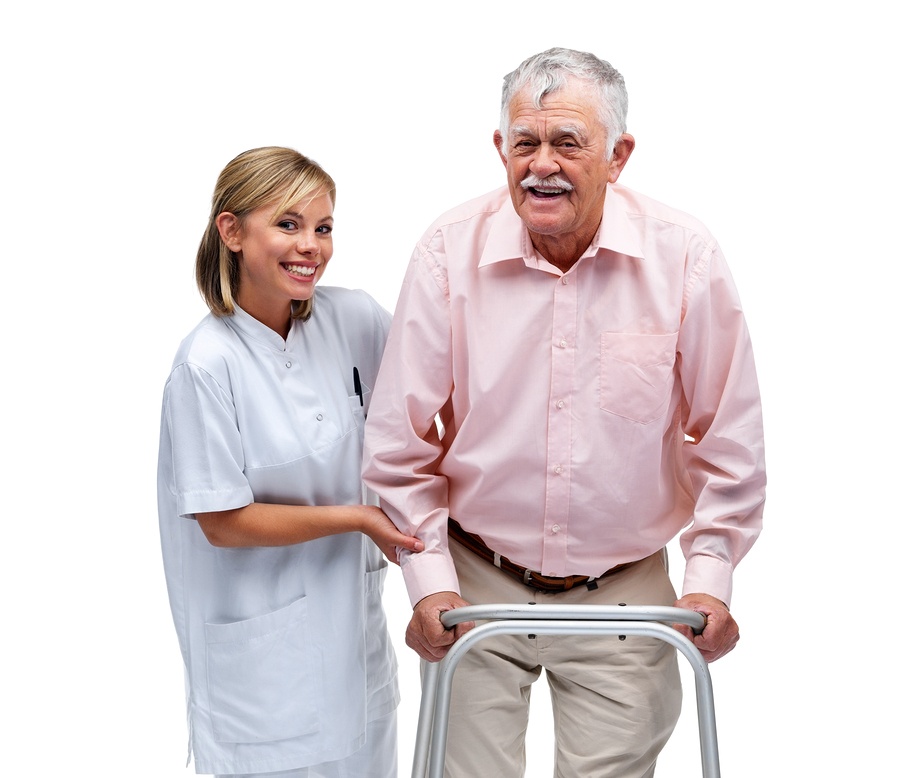
There’s a common misconception that the moment you buy a mobility aid, such as a walking frame or mobility scooter, is the moment you give up your independence.

It’s easy to see why someone could feel like they’re giving in to old age, with stereotypes showing seniors that can’t do anything for themselves.

Take a look at things a different way. Instead of feeling like you’re giving up and accepting defeat, look at your mobility aid as a sensible choice for increasing independence and freedom.

Do they need to be a permanent fixture once you’ve bought them?

Nobody’s going to connect you to a mobility scooter, or fuse you to a walking frame. They don’t become a part of you, just because you’ve bought them. You’re free to use them as little or as often as you’d like. You might just use your mobility aid for long-distance walks or days out with the grandkids. Alternatively, you might decide that you need to use them every time you go to the store.

Aren’t some mobility aids too expensive for occasional use?

Mobility scooters certainly aren’t the cheapest things, but they’re a whole lot cheaper than a car! And they’ll probably do more for your overall independence, too.

There are ways to keep your costs down. If you’re confident that you need a mobility aid only in really rare circumstances, you might find that it’s cheaper to hire a mobility scooter than to buy one to keep at home. Some attractions, such as theme parks, offer mobility scooter hire. Otherwise, look for a company that specifically offers this service.

If you think that you’re going to need your mobility aid more frequently, but if you’re really not ready to commit to a high value purchase, you might find that buying used is the best option for you and your bank balance.

Pre owned mobility scooters cost a lot less than brand new ones, and if you buy from a reputable company then they should be professionally refurbished, serviced and checked.

Alternatively, if you’re planning to use your mobility scooter almost daily, it’s probably worth buying brand new. That way, you’ll get the longest possible lifespan combined with the newest features, and premium manufacturer support.

Is a mobility scooter always the best choice?

If you’re really struggling to get around then a mobility scooter could be the best purchase for you. They can be used to travel over relatively long distances, comfortably and easily, and are for indoor and outdoor use.

If you simply need a little support to walk on your own two feet, crutches, a walking stick or a walking frame might be a better choice.

Wheelchairs, including electric wheelchairs, have always been a popular option. It’s worth noting, however, that these don’t have the same sturdy build as a mobility scooter and won’t be so good on bumpy surfaces or long-term outdoor use.

Whatever you choose, feel free to use your mobility aid one day and set it aside the next. There are no rules as long as you’re happy with your investment.


Mobility Smart is an online retailer stocking a wide range of mobility aids and daily living aids, including new and used mobility scooters and other walking aids for people with limited mobility. Click here to find out more.

By |2023-10-27T15:35:25-05:00November 18th, 2023|Dr. Mauk's Boomer Blog, News Posts|Comments Off on Guest Post: Why Mobility Aids Don’t Need to Be Used Long Term
Go to Top