Kristen Mauk

About Kristen Mauk

President/CEO - Senior Care Central, LLC

Guest Blog: Inexpensive, Fun Activities For Seniors

bigstock-Group-Of-Senior-People-Holding-4732326

Whether you’ve recently retired, are planning to retire soon or are facing an unknown future where retirement seems virtually impossible, when you’re living on a fixed or tight income, you’re always looking for ways to save money. Plus, since one of the first areas to get cut when the budget is tight is entertainment, you may wonder how can you still have fun, without spending a fortune. To answer that question, here’s a list of inexpensive activities that could be perfect for you!

Attend Free Events. From free nights at the museum to local art gallery showings in town, keep your radar on for free activities in the area that you might enjoy. Most cities will host free lectures, concerts, movie nights and other activities from time to time.

Start a Club or Discussion Group.

    1. Start a book club, movie group or discussion group with a handful of friends, hosted either at your home or rotating homes month to month. Getting together will cost little more than making some snacks — and it will still be a fun night for everyone.

Take Advantage of Community Centers and Libraries. Rent movies or check out books at the library, and go for walks at the local community center track. Within your specific city or town, find what other amenities are available to you and decide to make the most of them, either on your own or with a friend.

Volunteer in the Community. Volunteering not only makes you feel good about helping others, but it also connects you with people in the community and often qualifies you for some cool, cash-saving perks. Whether it’s free food when you’re volunteering at the local school district or a place to socialize when you’re serving as a greeter at the hospital, volunteering helps you reach outside yourself and have fun in the process.

Host Potlucks. Rather than always going out to eat with friends, try hosting potlucks where everyone brings a dish to pass. You’ll only need to make one dish, still have the fun of socializing with friends or loved ones, and save a bundle in the process.

Enjoy the Outdoors. Go to the park, take walks on trails at the forest preserve, plan a picnic or watch a local Little League game. Getting outside is not only good for your spirits, it’s usually inexpensive too!

Mark Westerman is the Chief Marketing Officer for CareOne, Inc., a provider of debt relief services nationwide.

By |2024-07-29T11:25:31-05:00August 17th, 2024|Dr. Mauk's Boomer Blog, News Posts|Comments Off on Guest Blog: Inexpensive, Fun Activities For Seniors

Chronic Sinusitis

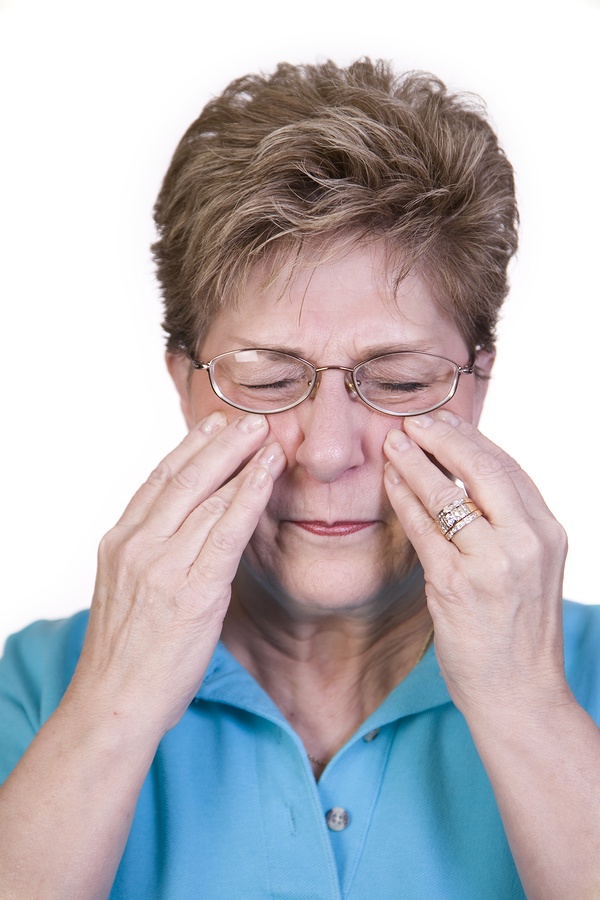
Sinus pain

Background

One of the common health complaints of the elderly is chronic sinusitis. About 14.1% of Americans 65 and older report suffering from chronic sinusitis; for those 75 years and older, the rate is slightly lower at 13.5% (American Academy of Otolaryngology, 2012). Age-related physiological and functional changes that occur can cause restrictions to the airflow. This results from irritants blocking drainage of the sinus cavities, leading to infection.

Warning Signs

Symptoms include a severe cold, sneezing, cough (that is often worse at night), hoarseness, diminished sense of smell, discolored nasal discharge, postnasal drip, headache, facial pain, fatigue, malaise, and fever (Kelley, 2002). The person may complain of pain around the sinus areas, and swelling and redness of the nasal mucosa may be evident.

Diagnosis

Allergies, common cold, and dental problems should be ruled out for differential diagnosis. When symptoms continue over a period of weeks and up to 3 months and are often recurring, chronic sinusitis should be suspected. A CT scan of the sinuses will likely show areas of inflammation.

Treatment

Treatment for chronic sinusitis is with antibiotics, decongestants, and analgesics for pain. Inhaled corticosteroids may be needed to reduce swelling and ease breathing. Irrigation with over-the-counter normal saline nose spray is often helpful and may be done two to three times per day. The person with chronic sinusitis should drink plenty of fluids to maintain adequate hydration and avoid any environmental pollutants such as cigarette smoke or other toxins. Chronic sinusitis is a condition that many older adults wrestle with their entire life. Avoidance of precipitating factors for each individual should be encouraged.

For more information on Sinus Sinusitis, visit The Mayo Clinic at:
http://www.mayoclinic.com/health/chronic-sinusitis/DS00232/DSECTION=risk-factors/

Adapted from Mauk, K. L., Hanson, P., & Hain, D. (2014). Review of the management of common illnesses, diseases, or health conditions. In K. L. Mauk’s (Ed.) Gerontological Nursing: Competencies for Care. Sudbury, MA: Jones and Bartlett Publishers. Used with permission.

Save

Save

By |2024-06-10T09:57:47-05:00July 23rd, 2024|Dr. Mauk's Boomer Blog, News Posts|Comments Off on Chronic Sinusitis

Diverticulosis and Diverticulitis Treatment

Colorful fresh group of vegetables and fruits

Background

Diverticulosis results from pouches that form in the wall of the colon (or large intestine). Diverticulitis is an inflammation or infection of these pouches. Diverticular disease is more common among older adults than younger people (Tursi, 2007). Sixty-five percent of older adults will develop diverticulosis by age 85 (Kennedy-Malone et al. 2004). The exact cause of diverticulosis is not known, but it is speculated that a diet low in fiber and high in refined foods causes the stool bulk to decrease, leading to increased colon transit time. Retention of undigested foods and bacteria results in a hard mass that can disrupt blood flow and lead to infection. The earlier the diagnosis and treatment, the better the outcomes will be; however, if complications such as bleeding increases the risk of less- than- optimal outcomes.

Warning Signs

Risk factors for diverticulosis include obesity, chronic constipation, and straining, irregular and uncoordinated bowel contractions, and weakness of bowel muscle due to aging. Other risk factors are directly related to the suspected cause of the condition. These include older than 40 years old of age, low-fiber diet, and the number of diverticula in the colon (Thomas, 2011). Diverticulosis may result in pain in the left lower quadrant (LLQ), can get worse after eating, and may improve after a bowel movement. Warning signs of diverticulitis include fever, increased white blood cell count, bleeding that is not associated with pain, increased heart rate, nausea, and vomiting.

Diagnosis

Evaluation of the abdomen may reveal tenderness in the LLQ and there may be rebound tenderness with involuntary guarding and rigidity. Bowel sounds may be initially hypoactive and can be hyperactive if the obstruction has passed. Stool may be positive for blood. The initial evaluation is abdominal Xx-ray films, followed by a barium enema, though a CT scan with oral contrast is more accurate in diagnosing this condition (Thomas, 2011). A complete blood count may be done to assess for infection.

Treatments

Diverticulosis is managed with a high-fiber diet or daily fiber supplementation with psyllium. Diverticulitis is treated with antibiotics, but in acute illness the person may require hospitalization for IV hydration, analgesics, bowel rest, and possible NG tube placement. Morphine sulfate should be avoided because it increases the intraluminal pressures within the colon, causing the symptoms to get worse (Thomas, 2011). Patients should learn about a proper diet, avoidance of constipation and straining during bowel movements, and when to seek medical care. The diet should include fresh fruits, vegetables, whole grains, and increased fluid intake, unless contraindicated. In extreme cases, either where the person has complications that do not resolve with medical management or has many repeated episodes, a colon resection may be needed. Patients will need to work closely with their primary care provider to manage any ongoing problems.

Adapted from Mauk, K. L., Hanson, P., & Hain, D. (2014). Review of the management of common illnesses, diseases, or health conditions. In K. L. Mauk’s (Ed.) Gerontological Nursing: Competencies for Care. Burlington, MA: Jones and Bartlett Publishers. Used with permission.

For more information on Diverticulosis, visit NDDIC at:
digestive.niddk.nih.gov/ddiseases/pubs/diverticulosis/


Save

By |2024-06-10T09:55:00-05:00June 29th, 2024|News Posts|Comments Off on Diverticulosis and Diverticulitis Treatment

Parkinson’s Disease


Background

Parkinson’s disease (PD) is one of the most common neurological diseases, affecting at least 1.5 million people in the United States (American Parkinson Disease Association {APDA}, 2010). The average age of onset is about 59 years of age (APDA, 2010), and the likelihood of developing PD increases with age (National Institute of Neurological Disorders, 2008). It affects both men and women, particularly those over the age of 60 years (American Parkinson Disease Foundation, 2012). Parkinson’s disease was first described by Dr. James Parkinson as the “shaking palsy,” so named to describe the motor tremors witnessed in those experiencing this condition.

Parkinson’s disease is a degenerative, chronic disorder of the central nervous system in which nerve cells in the basal ganglia degenerate. A loss of neurons in the substantia nigra of the brainstem causes a decrease in the production of the neurotransmitter dopamine, which is responsible for fine motor movement. Dopamine is needed for smooth movement and also plays a role in feelings and emotions. One specific pathological marker is called the Lewy body, which under a microscope appears as a round, dying neuron.

Signs and Symptoms

Parkinson’s disease has no known etiology, though several causes are suspected. There is a family history in 15% of cases. Some believe a virus or environmental factors play a significant role in the development of the disease. A higher risk of PD has been noted in teachers, medical workers, loggers, and miners, suggesting the possibility of a respiratory virus being to blame. More recent theories blame herbicides or pesticides. An emerging theory discusses PD as an injury related to an event or exposure to a toxin versus a disease. Interestingly, coffee drinking and cigarettes are thought to have a protective effect in the development of PD (Films for the Humanities and Sciences, 2004).

The signs and symptoms of PD are many; however, there are four cardinal signs: bradykinesia (slowness of movement), rigidity, tremor, and gait changes such as imbalance or incoordination. A typical patient with PD symptoms will have some distinctive movement characteristics with the components of stiffness, shuffling gait, arms at the side when walking, incoordination, and a tendency to fall backward. Not all patients exhibit resting tremor, but most have problems with movement, such as difficulty starting movement, increased stiffness with passive resistance, and rigidity, as well as freezing during motion (NINDS, 2012). Advanced PD may result in Parkinson’s dementia.

Diagnosis

Diagnosis of PD is made primarily on the clinician’s physical examination and thorough history taken from the patient and/or family. Several other conditions may cause symptoms similar to PD, such as the neurological effects of tremor and movement disorders. These may be attributed to the effects of drugs or toxins, Alzheimer’s disease, vascular diseases, or normal pressure hydrocephalus, and not be true PD. There is no one specific test to diagnose PD, and labs or X-rays rarely help with diagnosis.

Treatment

Management of PD is generally done through medications. Levodopa, a synthetic dopamine, is an amino acid that converts to dopamine when it crosses the blood–brain barrier. Levodopa helps lessen most of the serious signs and symptoms of PD. The drug helps at least 75% of persons with PD, mainly with the symptoms of bradykinesia and rigidity (NINDS, 2008). One important side effect to note is hallucinations. A more common treatment, and generally the drug of choice, involves a medication that combines levodopa and carbidopa (Sinemet), resulting in a decrease in the side effect of nausea seen with levodopa therapy alone, but with the same positive control of symptoms, particularly with relation to movement. Patients should not be taken off of Sinemet precipitously, so it is important to report all of a patient’s medications if they are admitted to either acute or long-term care. Dopamine agnoists trick the brain into thinking it is getting dopamine. This class of medications is less effective than Sinemet, but may be beneficial for certain patients. The most commonly prescribed dopamine agonists are pramipexole (Mirapex) and ropinirole (Requip) (Parkinson’s Disease Foundation, 2012). Medications such as Sinemet show a wearing-off effect, generally over a 2-year period. During this time, the person must take larger doses of the medication to achieve the same relief of symptoms that a smaller dose used to bring. For an unknown reason, if the medication is stopped for about a week to 10 days, the body will reset itself and the person will be able to restart the medication at the lower dose again until tolerance is again reached. This time off from the medication is called a “drug holiday” and is a time when the person and family need extra support, because the person’s symptoms will be greatly exacerbated without the medication. The earliest drugs used for PD symptom management were anticholinergics such as Artane and Cogentin, and these medications are still used for tremors and dystonias associated with wearing-off and peak dose effects (Parkinson’s Disease Foundation, 2012).

There are many other treatments for Parkinson’s disease being explored. These include deep brain stimulation (DBS), with electrode-like implants that act much like a pacemaker to control PD tremors and other movement problems. The person using this therapy will still have the disease and generally uses medications in combination with this treatment, but may require lower doses of medication (NINDS, 2012). Thalamotomy, or surgical removal of a group of cells in the thalamus, is used in severe cases of tremor. This will manage the tremors for a period of time, but is a symptomatic treatment, not a cure. Similarly, pallidotomy involves destruction of a group of cells in the internal globus pallidus, an area where information leaves the basal ganglia. In this procedure, nerve cells in the brain are permanently destroyed.

Fetal tissue transplants have been done experimentally in Sweden with mild success in older adults and more success among patients whose PD symptoms were a result of toxins. Stem cell transplant uses primitive nerve cells harvested from a surplus of embryos and fetuses from fertility clinics. This practice, of course, poses an ethical dilemma and has been the source of much controversy and political discussion.

A more recent development includes the use of adult stem cells, a theory that is promising but not yet well researched. Cells may be taken from the back of the eyes of organ donors. These epithelial cells from the retina are micro-carriers of gelatin that may have enough cells in a single retina to treat 10,000 patients (Films for the Humanities and Sciences, 2004). In addition, cells modified from the skin of patients with PD can be engineered to behave like stem cells (NINDS, 2012). Both of these alternatives present a more practical and ethically pleasing source of stem cells than embryos.
Other research includes areas include those related to alternative therapies. For example, Tai Chi has been shown to be effective in improving balance and reducing falls for PD patients (NINDS, 2012). Rehabilitation units have been using Tai Chi for similar benefits in other patients with neurological deficits. Simple interventions such as using Wii games to promote activity and exercise may be explored. The role of caffeine in PD is also being examined. In a small randomized control study of 61 patients with PD, caffeine equivalent to 2–3 cups of coffee per day was given to subjects and compared with a control group of those taking a placebo. Those patients receiving the caffeine intervention showed little improvement in daytime sleepiness, but modest improvement in PD severity scores related to speed of movement and stiffness (Postuma et al., 2012). Further study with larger groups was recommended by the researchers.

Much of the nursing care in PD is related to education. Because PD is a generally chronic and slowly progressing disorder, patients and family members will need much instruction regarding the course of the disease and what to anticipate. Instruction in the areas of medications, safety promotion, prevention of falls, disease progression, mobility, bowel and bladder, potential swallowing problems, sleep promotion, and communication is important. Most of the problems seen as compli¬cations of PD are handled via the physician as an outpatient, but certainly complications such as swal¬lowing disorders as the disease progresses may require periods of hospitalization. When persons suffer related dementia in the final phases of the disease, they are often cared for in long-term care facilities that are equipped to handle the challenges and safety issues related to PD dementia. In ¬addition, access to resources and support groups is essential.

Adapted from Mauk, K. L., Hanson, P., & Hain, D. (2014). Review of the management of common illnesses, diseases, or health conditions. In K. L. Mauk’s (Ed.) Gerontological Nursing: Competencies for Care. Burlington, MA: Jones and Bartlett Publishers. Used with permission.

For more information on Parkinson’s Disease, visit the Michael J. Fox Foundation Website:
https://www.michaeljfox.org/


By |2024-04-23T11:16:01-05:00June 8th, 2024|Dr. Mauk's Boomer Blog, News Posts|Comments Off on Parkinson’s Disease

Heart Failure Warning Signs and Treatment

Background

Heart failure (HF) happens when the heart is not strong enough to pump the needed blood with oxygen to the rest of the body. The CDC estimated that 5.7 million people in the U.S. have heart failure. The incidence of congestive heart failure (CHF) varies among races and across age groups. It is the cause of 55,000 deaths each year (CDC, 2012). The lifetime risk for someone to have CHF is 1 in 5.

Risk Factors

The major risk factors for HF are diabetes and MI. African American males are at higher risk than Caucasians. The risk of CHF in older adults doubles for those with blood pressures over 160/90. Seventy-five percent of those with CHF also have hypertension (AHA, 2012). Congestive heart failure often occurs within 6 years after a heart attack.

Warning Signs

Signs and symptoms of heart failure include shortness of breath (that also worsens when lying down), weight gain with swelling in the legs/ankles, and general tiredness. It is essential that older adults diagnosed with HF recognize signs of a worsening condition and report them promptly to their healthcare provider. Older adults may not have the typical symptoms but complain of other things like decreased appetite, weight gain of a few pounds, or insomnia (Amella, 2004).

Diagnosis

For in-home monitoring, daily weights at the same time of day with the same clothes on the same scale are essential. The physician or primary care provider will give guidelines for the person to call if the weight exceeds his or her threshold for weight gain. This is usually between 1 and 3 pounds. The decision regarding when to call the primary care provider is made based upon the severity of the HF and the relative stability/frailty of the person.

Treatment

Treatment for HF involves the usual lifestyle modifications discussed for promoting a healthy heart, as well as several possible types of medications. These include ACE inhibitors, diuretics, vasodilators, beta-blockers, blood thinners, angiotensin II blockers, calcium channel blockers, and potassium. Lifestyle changes, per recommendation of the primary care provider, may include (AHA, 2009):
Maintaining an appropriate weight
Limiting salt intake
Limiting caffeine and alcohol intake
Managing stress
Getting adequate rest
Engaging in physical activity as prescribed
Quitting smoking
Eating a heart-healthy diet
To minimize exacerbations, patient and family counseling should include teaching about the use of medications to control symptoms and the importance of regular monitoring with a health care provider (Agency for Healthcare Research and Quality [AHRQ], 2012; Hunt et al., 2009). With the proper combination of treatments such as lifestyle changes and medications, many older persons can still live happy and productive lives with a diagnosis of heart failure and minimize their risk of complications related to this disease.

For additional information on heart failure visit the American Heart Association website at:
target=”_blank”>http://www.heart.org/HEARTORG/Conditions/HeartFailure/Heart-Failure_UCM_002019_SubHomePage.jsp”


Adapted from Mauk, K. L., Hanson, P., & Hain, D. (2014). Review of the management of common illnesses, diseases, or health conditions. In K. L. Mauk’s (Ed.) Gerontological Nursing: Competencies for Care. Sudbury, MA: Jones and Bartlett Publishers. Used with permission.

By |2024-04-23T11:15:39-05:00June 8th, 2024|News Posts|Comments Off on Heart Failure Warning Signs and Treatment
Go to Top